
Richard Burns Rally is hard for one reason: it does not forgive. A small mistake on a crest or a change of surface ends your stage, and the damage stays with you. The good news is that the way to get fast in it is the same as in a real rally car. Slow car, short stages, listen to the notes, finish first.
This page is about driving. If you have not installed the game yet, start with my Richard Burns Rally install guide, which covers the free RallySimFans (RSF) package, the folder trap and the wheel setup. Come back here once you can start a stage.
Checked on 29 October 2026 on rallysimfans.hu (news, plugin list and cup names) and Wikipedia for the original game.
What you are driving
The original Richard Burns Rally came out in 2004, made by Warthog Games and published by SCi, with 8 cars and 36 stages. It is named after Richard Burns, the 2001 world rally champion. Today almost everyone plays it through RSF, which adds hundreds of stages, many more cars, the NGP physics, online rallies and a stack of plugins on top of the 2004 game.
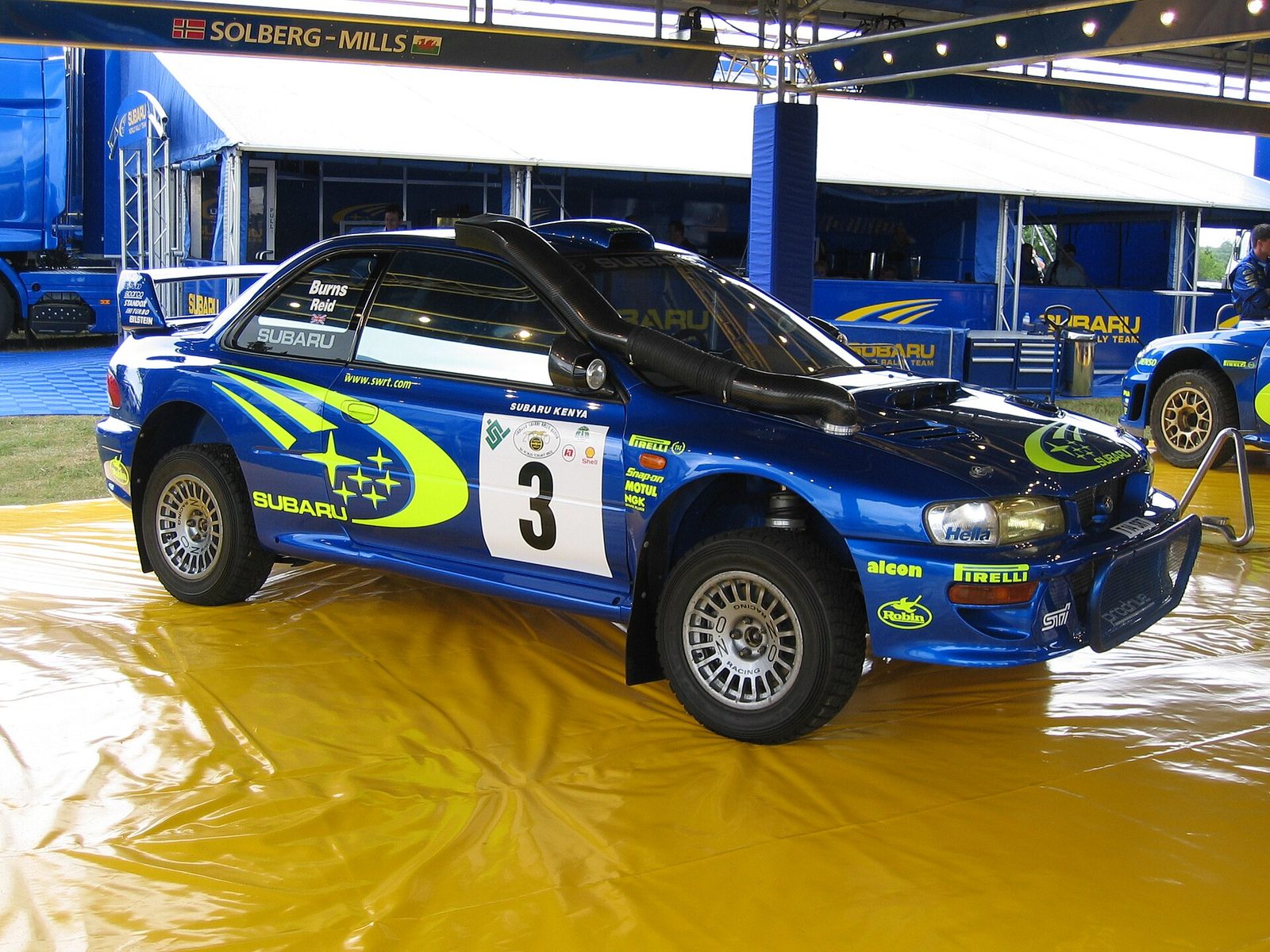
That is why RBR still has a name for being the hardest rally sim. The physics are detailed, the stages are narrow and the damage is real. Do not let it scare you. It just means you build up in the right order.
Your first car: slow and front-wheel drive
Do not start in a WRC car. Everyone wants to, and everyone ends up in a tree on the second corner.
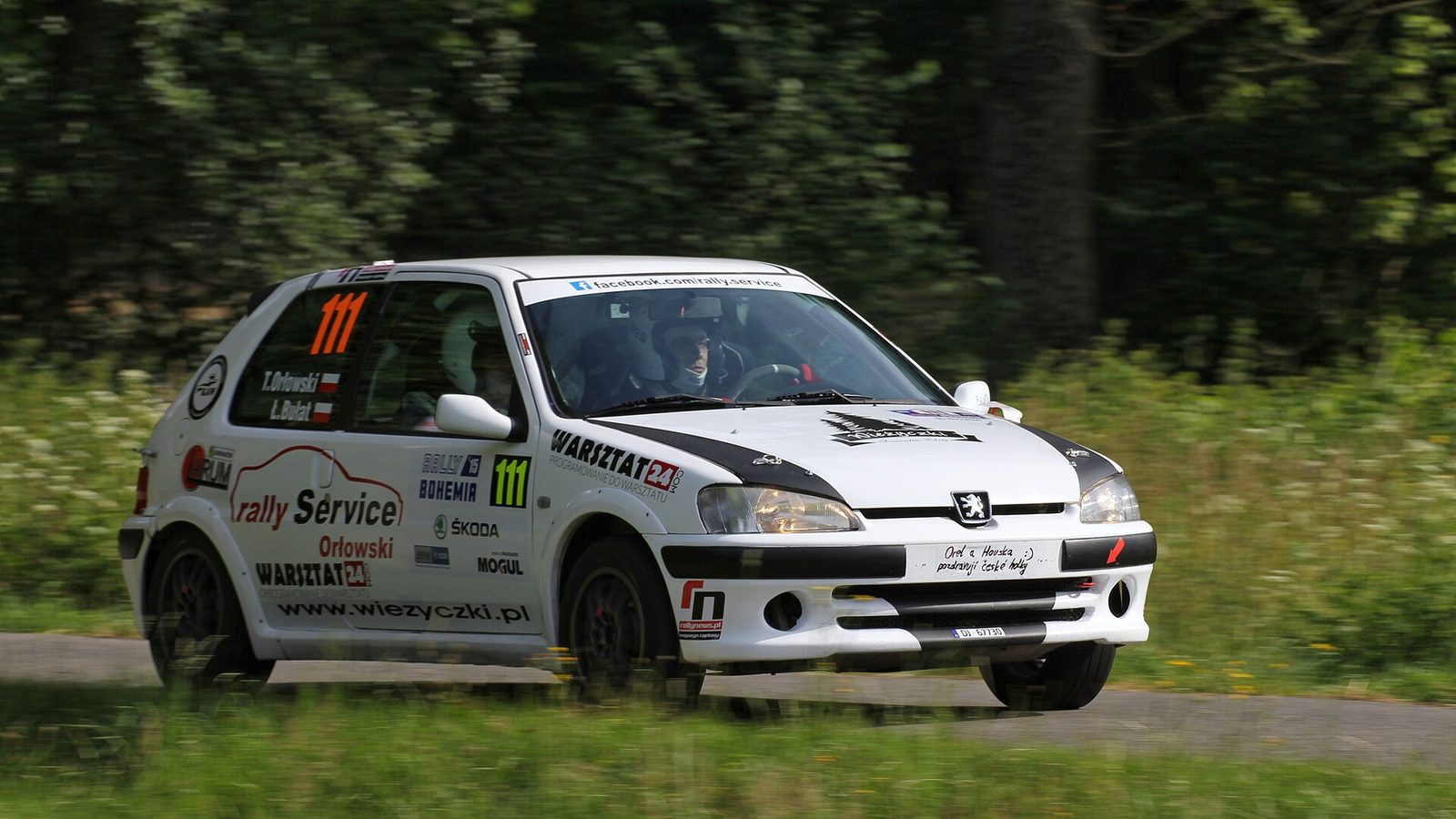
Start with something slow and front-wheel drive. RSF itself runs a Peugeot 106 Cup and an R2 Cup in its rally seasons, so those classes are well supported and you will find people to compare times with. A small front-wheel drive car is the best teacher there is:
- Low power means you have to carry speed. You cannot fix a slow corner with the throttle on exit, so you learn to brake in a straight line and roll speed through the apex.
- Front-wheel drive is predictable. Push too hard and the front washes wide. That is easy to read and easy to fix: less speed in, or a little lift to bring the nose back.
- Mistakes come slower. You have time to feel what the car is doing before it happens.
I started in karts, and it is the same idea. You learn to drive on low power first, and the power comes later. Once you can put together a clean stage in a front-wheel drive car without touching the scenery, move up one class: Group A, then a Super 2000 or R5 type car, then the WRC cars.
Your first stages: one stage, ten times
The RSF stage list is huge. Ignore it. Pick one short stage on a surface you like and drive it again and again.
Start on tarmac or smooth gravel. Tarmac is the most predictable grip. Smooth, fast gravel teaches you car control without the rocks and ruts of a rough stage. Leave snow and the rough stages for later.
Drive it ten times. The first runs are for getting to the end. The middle ones are for learning where the stage bites. The last ones are for speed. If you change stage every run, you only ever drive the first type of run.
Finish before you go fast. In RBR a crash is not a reset. Damage carries on, and a broken car on a long stage is a long, slow drive to the end. The first skill in rally is to finish. Speed comes from not going off, not from trying harder.
Pacenotes: listen, do not look
In a real rally car the co-driver reads the notes because you cannot see far enough ahead. Over a blind crest, you trust the call, not your eyes. Learn to drive RBR the same way.
RSF ships with a pacenote plugin (PaceNote by WorkerBee in its current list), and you can drop your own pacenote files into the plugin folder if you want a different call style. You do not need any of that to start. What you need is the habit:
- Turn the HUD arrows off, or down, once you can. If you drive off the arrows, you are looking at the screen, not the road.
- Learn the scale. Most note systems grade corners by a number, faster or slower, plus words like "long", "tightens" or "don't cut". Spend one run on a stage only listening and checking what the number felt like.
- Trust the crest calls. The note is how you know a corner is over the top before you can see it. That is where most RBR beginners go off: they lift on every crest, or they guess and guess wrong.
One correction to the older version of this page: it said RSF lets you run a recce in the sim before a stage. RSF disabled its rally season recce option in version 1.57.1 in February 2026, calling it buggy. Drive the stage at a calm pace instead and treat that as your recce.
The handbrake: only where it pays
New rally drivers use the handbrake everywhere. It is slow. Every time you lock the rear wheels you scrub speed.
Use it for:
- Hairpins. A short pull at the slow point turns the car, then straight back on the throttle.
- Tight junctions, where a 90 degree turn comes off a fast road.
Do not use it for normal corners. There, rotate the car with your braking and weight transfer: brake in a straight line, ease off the brake as you turn in so the front stays loaded, and let the car rotate. In a front-wheel drive car you can also lift a little mid-corner to tighten the line.
If you do not have a handbrake, map one to a button on the wheel. In the RSF launcher you can set up more than one controller at once, so a separate handbrake works. My install guide covers that.
The mistakes everyone makes
| Mistake | What to do instead |
|---|---|
| Starting in a WRC car | Start in a slow front-wheel drive car, move up when you can finish clean |
| Changing stage every run | One stage, ten runs, then the next |
| Lifting on every crest | Listen to the call and commit when it says flat |
| Late braking into gravel corners | Brake earlier and straighter than on tarmac, gravel has less grip |
| Handbrake in every corner | Hairpins and junctions only |
| FFB too strong | Lower it until the quick corrections are easy, then add a little |
When to go online
Once you can finish a stage clean, the online side of RSF is where you find out how fast you really are. RSF runs a hotlap ranking, daily stages and online rallies, each with its own page on rallysimfans.hu. Daily stages are a good start: one stage, one day, and you can compare your time with everyone else's.
You need an RSF account for the online side. My install guide explains what you need for which mode.
If you want to know how RBR compares to EA Sports WRC and Assetto Corsa Rally, see my best rally sim page.
FAQ
Is Richard Burns Rally good for beginners?
It is hard, but yes, if you start slow. A front-wheel drive car on one short stage teaches you more than any WRC car will. RBR punishes mistakes, which also means it teaches you fast.
What is the best first car in Richard Burns Rally?
A slow front-wheel drive car. RSF runs a Peugeot 106 Cup and an R2 Cup, so either class is a good place to start.
Do I need a handbrake for Richard Burns Rally?
Not to start. Map one to a wheel button for hairpins. A separate handbrake is nice later, and RSF supports more than one controller at once.
How do pacenotes work in RBR?
The co-driver calls each corner before you reach it, graded by how fast it is, with extra words for crests, cuts and tightening corners. RSF ships with a pacenote plugin, and you can add your own pacenote files.
Can you do a recce in Richard Burns Rally?
Not with RSF's rally season recce option, which RSF disabled in version 1.57.1 in February 2026. Drive the stage at a calm pace first and use that run as your recce.
How do I install Richard Burns Rally?
Through RallySimFans, which is free. My Richard Burns Rally install guide has the steps.