
Montreal is straights, chicanes and one hairpin. There is not a single fast corner on the lap. You brake hard, jump over a kerb, put the power down and do it again. And the walls are close the whole way round.
So this F1 2020 Canada setup is built to change direction quickly and to ride the kerbs. It is a time trial setup, saved with 10 kg of fuel.
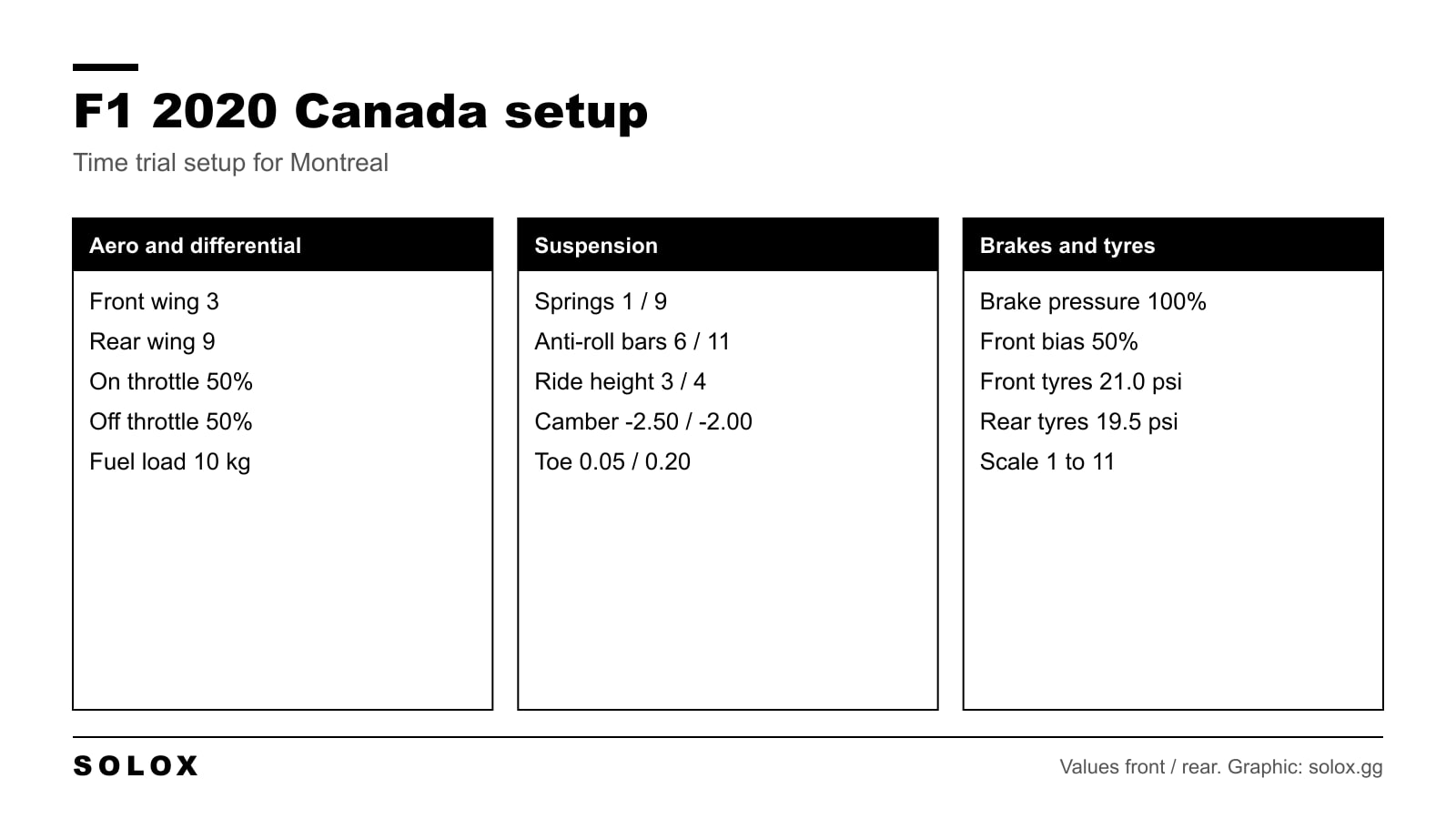
F1 2020 Canada setup
| Setting | Front | Rear |
|---|---|---|
| Wing | 3 | 9 |
| Camber | -2.50 | -2.00 |
| Toe | 0.05 | 0.20 |
| Suspension | 1 | 9 |
| Anti-roll bar | 6 | 11 |
| Ride height | 3 | 4 |
| Tyre pressure | 21.0 psi | 19.5 psi |
| Setting | Value |
|---|---|
| Fuel load | 10 kg |
| Differential on throttle | 50% |
| Differential off throttle | 50% |
| Brake pressure | 100% |
| Front brake bias | 50% |
In F1 2020 the wings, suspension, anti-roll bars and ride height all use a scale from 1 to 11. The differential goes from 50%, fully open, to 100%, locked.
This setup was collected for the site in 2022 from a fast time trial lap, like the rest of my F1 2020 setups. Use it as a base and adjust it with the table further down.

The lap on board
Why this setup works in Montreal
The wings. 3 and 9. The front is low because there are no fast corners to feed and the straights are long. The rear is high for two reasons: traction out of the hairpin and the chicanes, and a stable car on the brakes. You brake hard six times a lap here. A rear end that stays planted in those zones is worth more than a few km/h at the end of the back straight. If you want more top speed for a race, the rear wing is the first thing I would take off.
The differential. 50% on throttle and 50% off. Fully open. Only seven of my 22 setups run it like this. With the inside rear wheel free, the car rotates in the hairpin and in the second part of every chicane. You pay with a bit of wheelspin on the exits, so squeeze the throttle.
The tyre pressures. 21.0 psi front and 19.5 psi rear, the lowest the menu allows. The biggest contact patch for braking and traction.
The camber. -2.50 front, the least the game allows, and -2.00 rear. A lap with no long corners does not need more than that at the front, and an upright front tyre brakes better.
Stiff bars, tall car
This is the part of the setup that is different from the rest of my list.
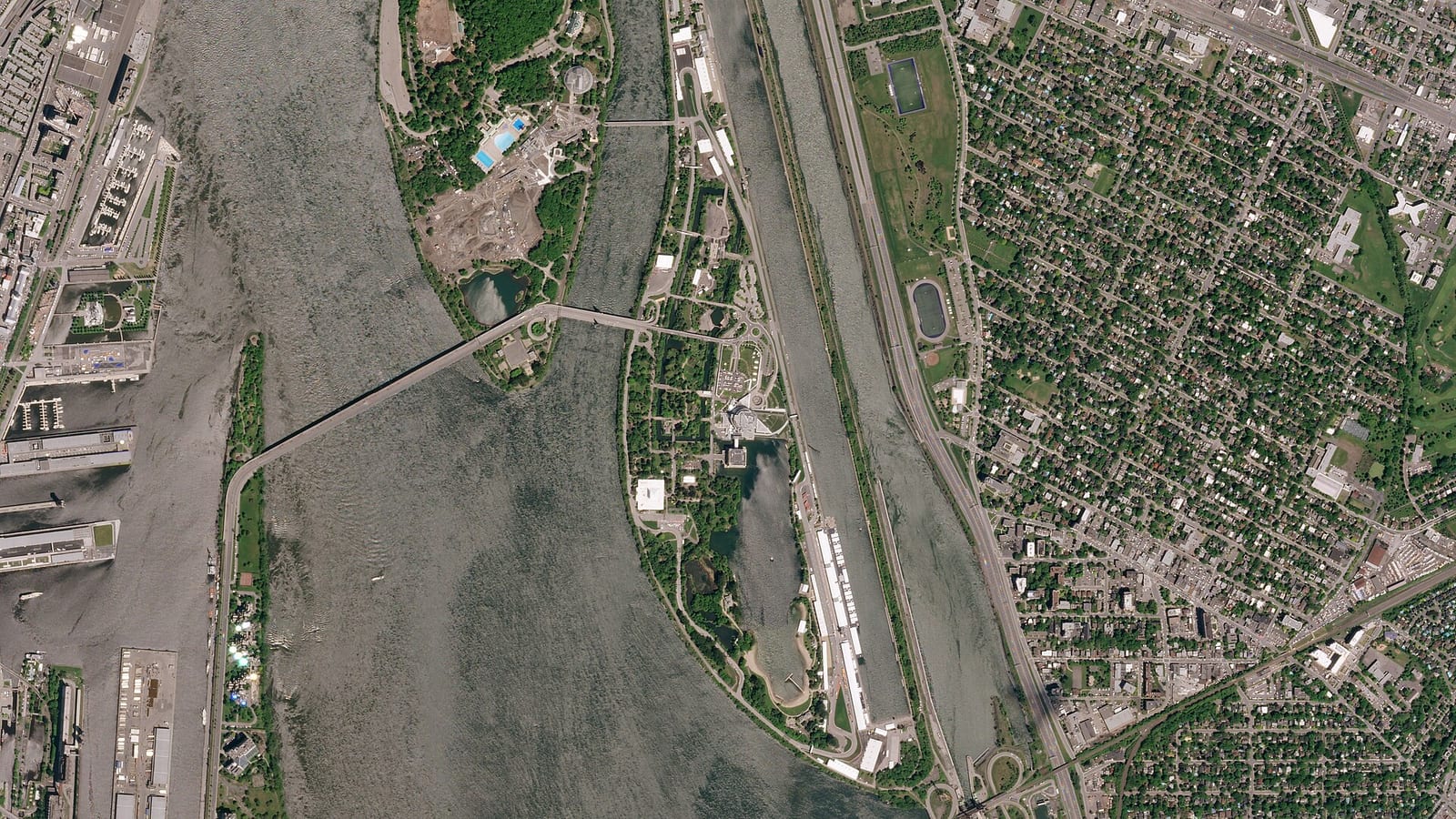
The rear anti-roll bar is at 11, the stiffest the menu has. Only Vietnam, China and Brazil run the same. The front is at 6, and only Russia, Singapore and Abu Dhabi run a stiffer front bar. Most of my setups have the front bar at 1, 2 or 3.
Stiff bars make the car react at once when you turn the wheel. In Montreal you go right and left, or left and right, four times a lap. A car that rolls slowly loses time in every one of those changes. With the bars this stiff it does not.
The price is the kerbs. A stiff car gets thrown by them. That is what the ride height is for: 3 and 4. Only seven of my 22 setups run the rear at 4 or more. The car sits taller, so it can go over the kerbs without the floor hitting them.
The front springs are at 1, the softest. They take the first hit of the kerb and give the front tyres grip on the way into the slow corners. The rear springs are at 9, which keeps the rear from squatting too much at the end of the straights.
The brakes
Brake pressure 100%, front bias 50%. Every setup in my F1 2020 database runs 100% pressure.
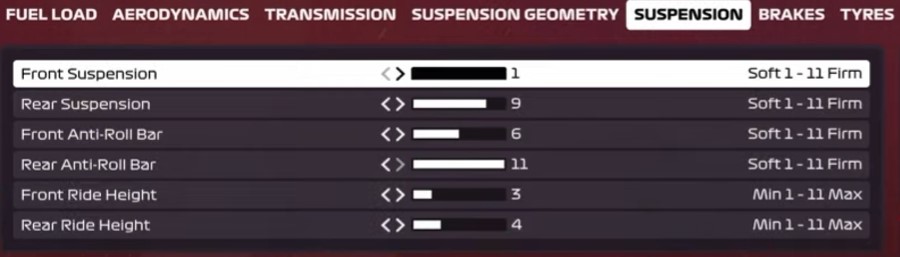
Montreal is a braking track. The hairpin and the last chicane are the two big stops, both from top speed. Brake in a straight line and release the pedal slowly as the car slows down. If the fronts lock at the hairpin lap after lap, go to 95% pressure before you touch anything else. If the rear moves on the brakes into the last chicane, move the bias forward to 52%.
What to change
One change at a time, three laps, then decide.
| Problem | Change | Why |
|---|---|---|
| Too slow on the back straight | Rear wing 9 to 7 | Less drag |
| The car will not turn at the hairpin | Front wing 3 to 4 | More front grip |
| The car jumps off the kerbs | Rear anti-roll bar 11 to 8 | A softer bar takes the kerbs better |
| The rear snaps in the chicanes | Rear anti-roll bar 11 to 9 | More rear grip in the change of direction |
| Wheelspin out of the hairpin | On throttle differential 50% to 60% | A little lock makes both rear wheels push |
| The rear moves on the brakes | Off throttle differential 50% to 55% | A little lock steadies the rear on entry |
| Front tyres lock at the hairpin | Brake pressure 100% to 95% | Less peak pressure, easier to hold at the limit |
For a race
You can pass in Montreal, at the hairpin and at the last chicane, so top speed counts for more in a race than in time trial. Before a 25% or 50% race I would change this:
- Rear wing 9 to 8. One click less drag for the back straight.
- On throttle differential 50% to 60%. Less wheelspin, so the rear tyres last.
- Brake pressure 100% to 95%. A heavy car locks its fronts more easily.
- Fuel. The 10 kg is a time trial number. In a race the game sets the load for the distance.
On a pad, I would go to 60% on throttle, take the brake pressure down to around 90% and soften the rear anti-roll bar to 8. The car gets calmer over the kerbs.
F1 2020 manages the ERS for you and gives you an overtake button. Use it out of the hairpin, down the back straight.
Where the lap time is in Montreal
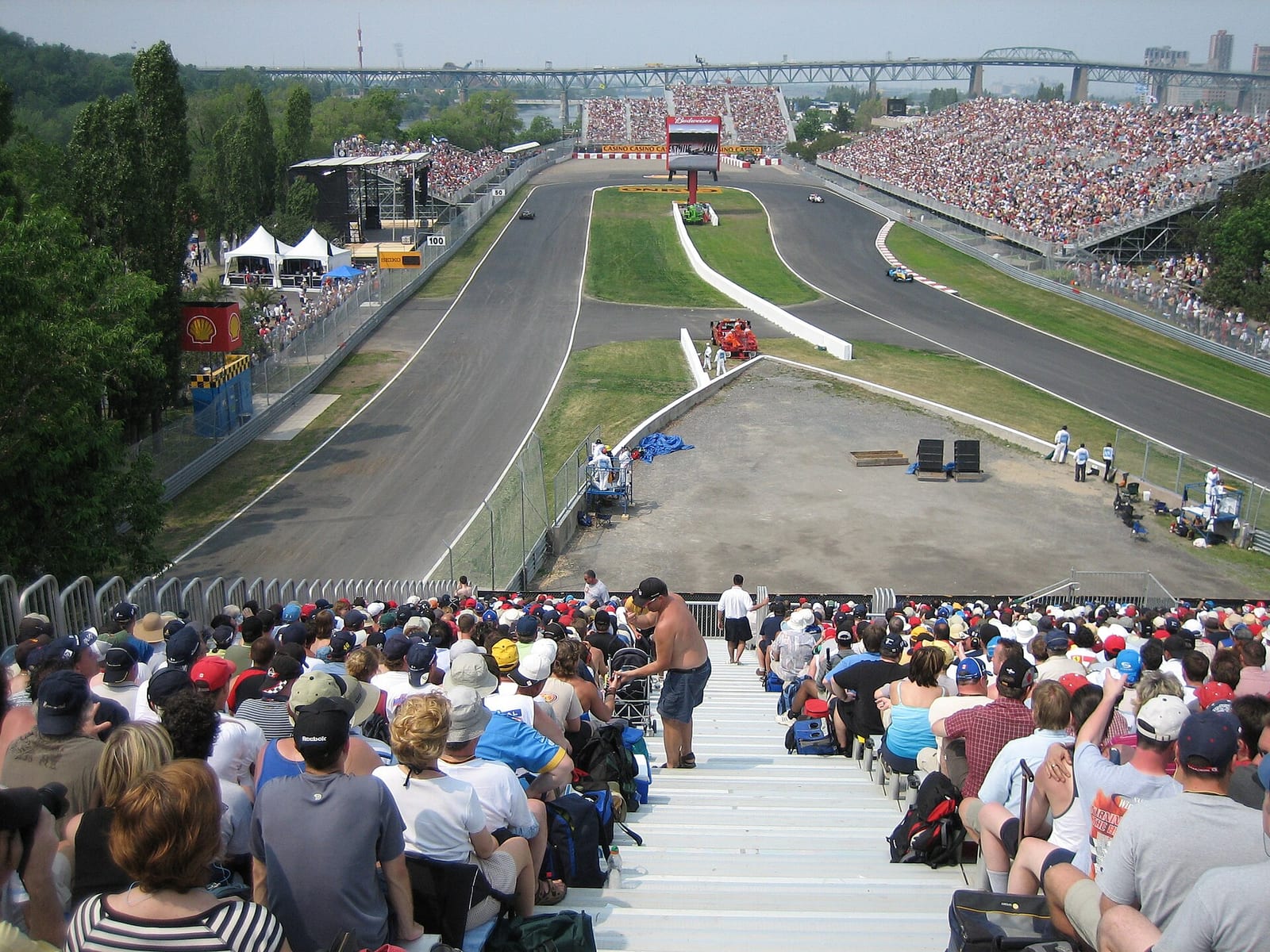
- Turn 1 and turn 2. A quick left into a long, slow right. Brake for the first part and wait in the second. With the open differential the car turns well here, so do not rush the throttle.
- Turn 3 and turn 4. The first chicane, right then left, with a wall on the exit. Use the inside kerb on the right and leave yourself a margin on the way out.
- Turn 6 and turn 7. Left then right after a hard stop. A lot of kerb. This is where the ride height pays.
- Turn 8 and turn 9. Right then left, faster than the one before. The stiff bars make the change of direction quick. Keep the car straight when it lands.
- Turn 10, the hairpin. The slowest corner and the start of the longest straight. Brake straight, turn late, and get the car pointing down the road before full throttle.
- Turn 13 and turn 14, the last chicane. You arrive at top speed. Right, left, over both kerbs. Too much kerb on the second part sends you into the Wall of Champions.
If you take one thing from this page: find a braking marker for every chicane and move it forward a little at a time. In Montreal a tenth is won or lost in the last 50 metres before each corner.
Canada in 2020
There was no Canadian Grand Prix in 2020. The race was postponed in early April because of the pandemic and formally cancelled in July, together with the races in the United States, Mexico and Brazil. It was one of 13 races from the original 22 race calendar that were never run. Formula 1 did not come back to Montreal until 2022.
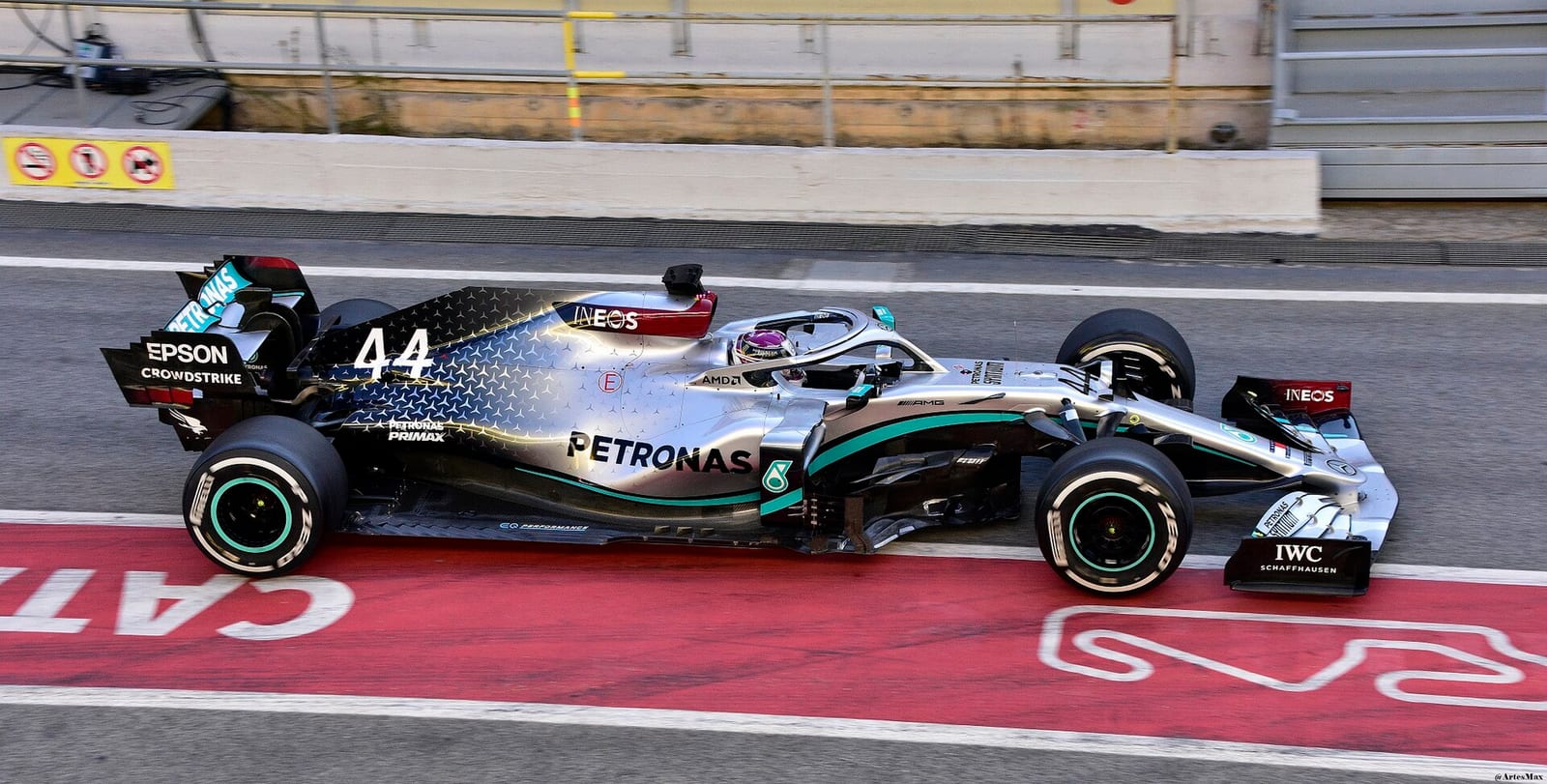
So in F1 2020 you drive a lap that the real 2020 cars never did. The year before, in 2019, Sebastian Vettel crossed the line first, but a five second penalty gave the win to Lewis Hamilton.
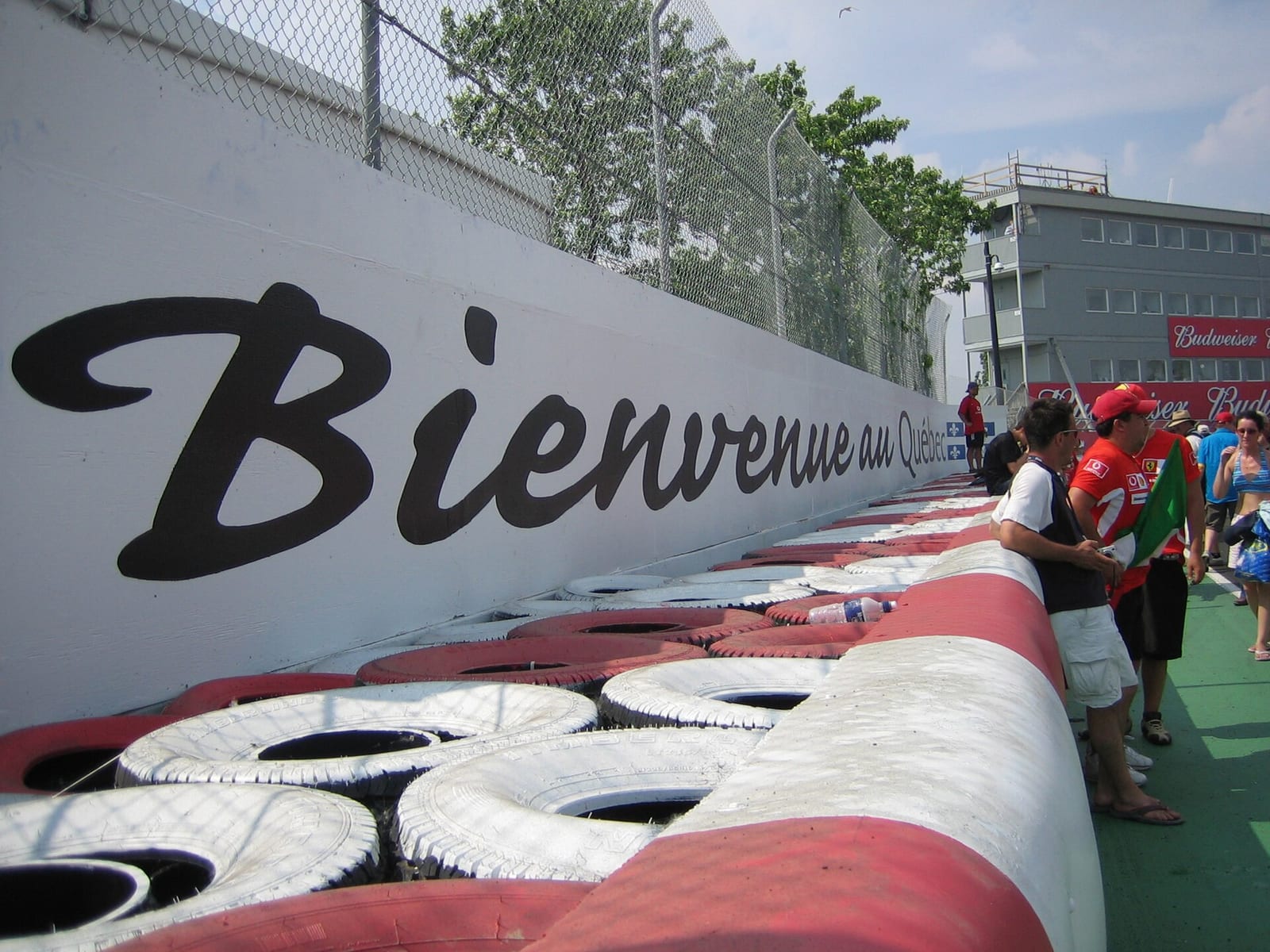
The circuit is 4.361 km long with 14 corners, on Notre Dame Island in the St. Lawrence River. It held its first Grand Prix in 1978, and Gilles Villeneuve won it for Ferrari. The track was given his name in 1982. The wall on the exit of the last chicane got its nickname in 1999, when three world champions crashed into it in the same race.
More F1 2020 setups
All 22 tracks are on the F1 2020 setups page. The track before Canada in the game's calendar is Baku, with my F1 2020 Baku setup, and the next one is Paul Ricard, with my F1 2020 France setup.
For the same track in other games, here are my F1 2019 Canada setup, my F1 2021 Canada setup, my F1 23 Canada setup and my F1 25 Canada setup. The values do not carry over from one game to the next.
FAQ
What is the best F1 2020 setup for Canada?
Front wing 3, rear wing 9, differential 50% on throttle and 50% off, suspension 1 and 9, anti-roll bars 6 and 11, ride height 3 and 4, brake pressure 100% with 50% front bias, and tyres at 21.0 and 19.5 psi.
What wing levels should I run in Canada in F1 2020?
3 at the front and 9 at the rear for time trial. For a race, 3 and 8 gives you a bit more speed on the back straight.
Why are the anti-roll bars so stiff?
Because the lap is made of chicanes. Stiff bars make the car change direction quickly. The taller ride height, 3 and 4, is what lets it go over the kerbs.
Can I use this Canada setup in a race?
Yes. I would take one click off the rear wing, raise the on throttle differential to 60% and lower the brake pressure to 95%.
Does this setup work with a controller?
Yes. I would run 60% on throttle, around 90% brake pressure and a softer rear anti-roll bar, around 8.
Was there a 2020 Canadian Grand Prix?
No. It was postponed in April and cancelled in July 2020. The race returned to Montreal in 2022.
How long is the Circuit Gilles Villeneuve?
4.361 km with 14 corners. It is on Notre Dame Island in Montreal.