
Circuit of the Americas has a bit of everything. A steep climb to a blind hairpin, a fast first sector that changes direction again and again, a long back straight and a slow last part.
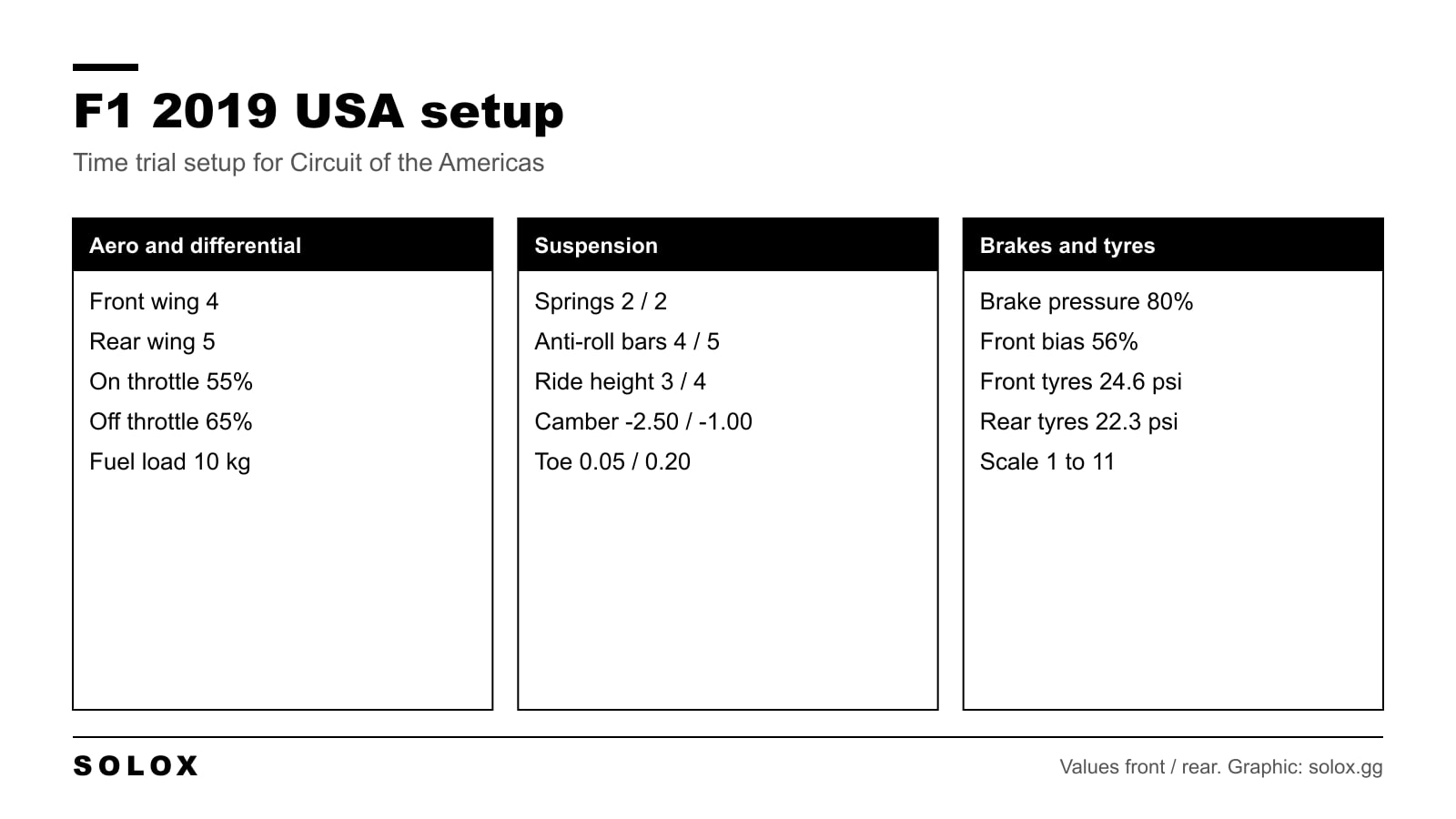
A track like that needs a balanced car. This setup is soft, even front to rear, and easy to place. It is a time trial setup, saved with 10 kg of fuel.
F1 2019 USA setup
| Setting | Front | Rear |
|---|---|---|
| Wing | 4 | 5 |
| Camber | -2.50 | -1.00 |
| Toe | 0.05 | 0.20 |
| Suspension | 2 | 2 |
| Anti-roll bar | 4 | 5 |
| Ride height | 3 | 4 |
| Tyre pressure | 24.6 psi | 22.3 psi |
| Setting | Value |
|---|---|
| Fuel load | 10 kg |
| Differential on throttle | 55% |
| Differential off throttle | 65% |
| Brake pressure | 80% |
| Front brake bias | 56% |
In F1 2019 the wings, suspension, anti-roll bars and ride height all use a scale from 1 to 11.
This setup was collected for the site in 2022 from a fast time trial lap, like the rest of my F1 2019 setups. Use it as a base and adjust it with the table further down.

Why this setup works at COTA
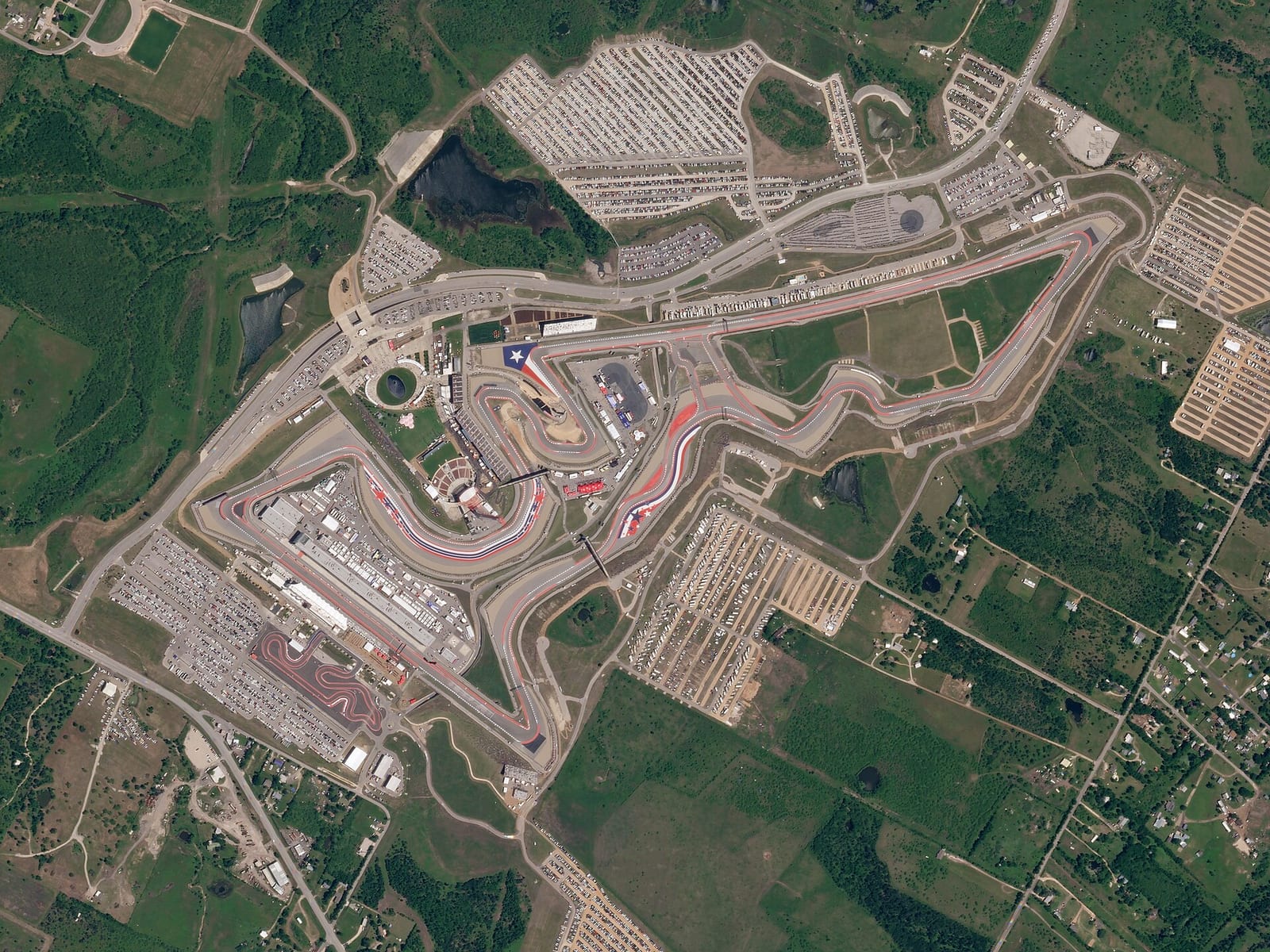
The lap is 5.513 km with 20 corners. The first sector is fast and flowing, the middle is a long back straight with a hairpin at each end, and the last sector is slow and technical.
The wings. 4 and 5. I run the same pair in Austria and in Brazil. Only one click between front and rear, so the car has a strong front. That is what you want from turn 3 to turn 6, where the car changes direction at high speed and understeer costs you in every corner. The total is medium, because the back straight is long.
The differential. 55% on throttle and 65% off. A little lock on throttle for the fast exits in the first sector, still open enough for the hairpins at turn 1 and turn 11.
The brakes. 80% pressure and 56% front bias. The bias is as far forward as I go in this game, the same as in Austria, Monza and Mexico. Turn 12 is the biggest stop, at the end of the back straight. Turn 1 is uphill, so the car stops better than you expect there.
The geometry and tyres. Camber -2.50 and -1.00, toe 0.05 and 0.20. All four are the least angle the menu allows. Pressures are 24.6 at the front and 22.3 at the rear. On the high side, for a quick answer in the direction changes.
Soft and even
The anti-roll bars are 4 and 5. Most of my setups have a rear bar at 9, 10 or 11. Here it is at 5. Only my Baku setup has a rear bar this soft.
A soft rear bar gives the rear grip. At COTA that helps in two places. In the fast sweepers the rear stays with you when you change direction. And in the long right of turns 16 to 18 you can stay on the throttle without the rear stepping out.
Springs are 2 and 2. Soft and even. The real track is known for its bumps, and the kerbs in the first sector are part of the fast line.
Ride height is 3 and 4. A middle value, with enough room for those kerbs.

What to change
One change at a time, three laps, then decide.
| Problem | Change | Why |
|---|---|---|
| Understeer in turns 3 to 6 | Rear anti-roll bar 5 to 7 | A stiffer rear bar helps the car rotate |
| The rear slides in turns 16 to 18 | Rear wing 5 to 6 | More rear downforce in the long corner |
| The car is lazy in the direction changes | Front anti-roll bar 4 to 5 | A stiffer front answers faster |
| Wheelspin out of turn 11 | On throttle differential 55% to 50% | An open differential is gentler on the inside rear tyre |
| Front tyres lock into turn 12 | Brake pressure 80% to 77% | Less peak pressure, easier to hold at the limit |
| The car jumps on the kerbs in the first sector | Ride height 3 and 4 to 4 and 5 | More room under the floor |
| Too slow on the back straight | Front wing 4 to 3 | Less drag. More understeer in the sweepers |
For a race
The first sector and the long right at the end are hard on the tyres. Before a 25% or 50% race I would change this:
- Rear wing 5 to 6. Less sliding in turns 16 to 18 and better traction out of the hairpins.
- Tyre pressures down. Fronts from 24.6 to 23.8 psi, rears from 22.3 to 21.5. The tyres run cooler.
- Brake pressure 80% to 77%. A heavy car locks its fronts more easily into turn 12.
- Fuel. The 10 kg is a time trial number. In a race the game sets the load for the distance.
On a pad, I would go to brake pressure around 75%, the on throttle differential at 50% and the rear wing at 6.
F1 2019 has manual ERS modes. Spend the battery out of turn 11 and all the way down the back straight. Save in the first sector. You pass into turn 12, and turn 1 is the second place.
Where the lap time is at COTA
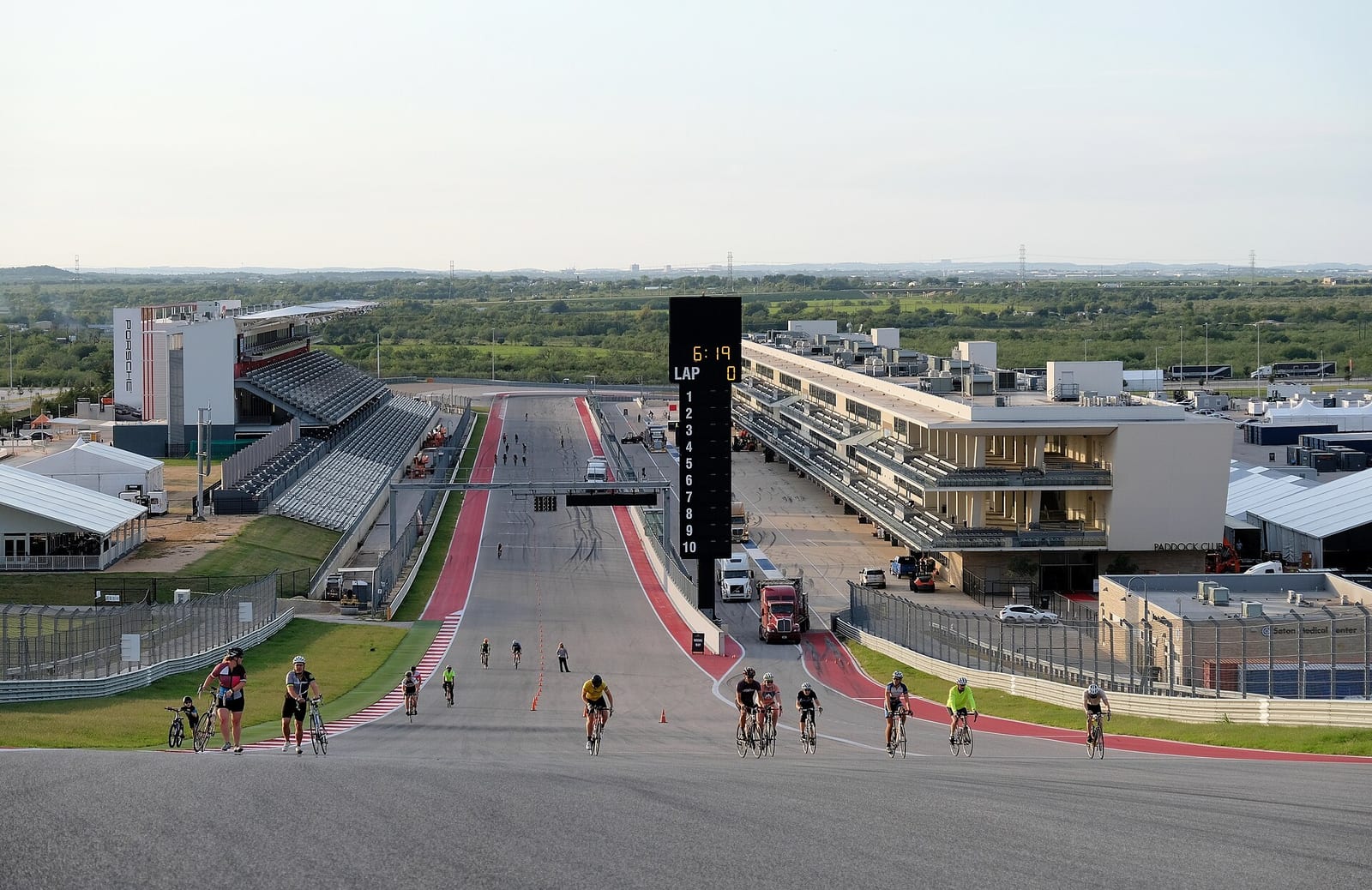
- Turn 1. A steep climb with the apex on the crest. The hill stops the car for you, so brake later than feels right. Take a late apex and use the downhill exit.
- Turns 3 to 6. The fast sweepers. Lift, do not brake, and keep the steering smooth. Every corner sets up the next one.
- Turns 7 to 9. The sequence tightens. You need a real brake for turn 7. Turn 9 is over a crest, so wait before you go back to the throttle.
- Turn 10. Blind and downhill. Flat in time trial. Trust it.
- Turn 11. The hairpin before the back straight. Late apex, early throttle. This exit is worth more than any other on the lap.
- Turn 12. The biggest stop. Brake in a straight line and do not go too deep, the next corners come quickly.
- Turns 13 to 15. Slow and tight. Be patient in turn 15, it goes on longer than you think.
- Turns 16 to 18. One long right with several apexes. Hold a steady throttle and let the car drift out slowly.
- Turns 19 and 20. Turn 19 is fast and downhill, easy to run wide. Turn 20 is a slow left onto the main straight.
If you take one thing from this page: do not attack turn 3. The first sector is a chain. Go in a little slower and the speed stays with you all the way to turn 9.
Austin in 2019
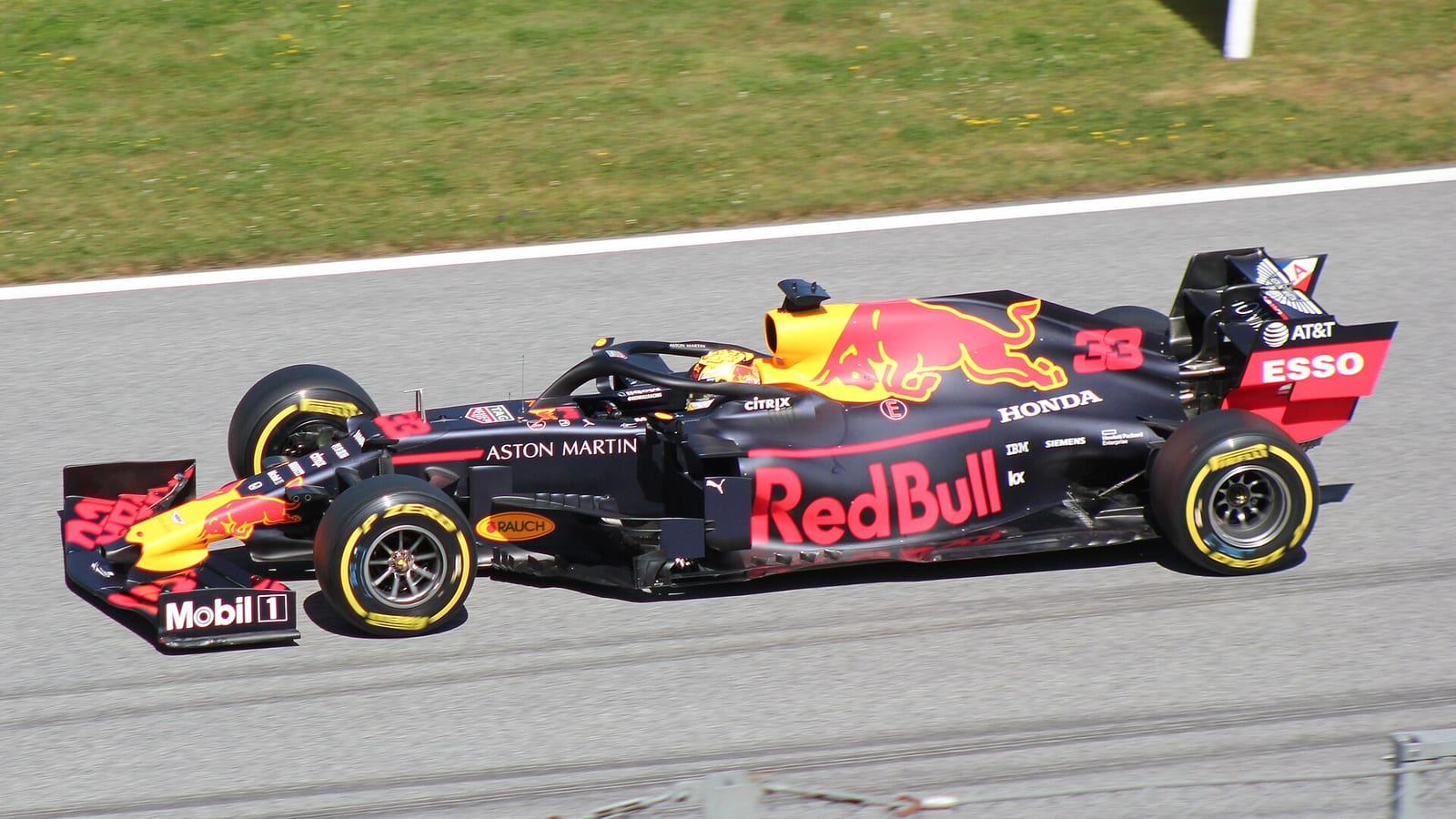
The 2019 United States Grand Prix was round 19 of 21, on 3 November, over 56 laps. Valtteri Bottas took pole position in 1:32.029.
Bottas won from pole on a two stop race. Lewis Hamilton tried to make one stop work, but Bottas caught him and passed him late in the race. Second place was enough for Hamilton to win his sixth world title. Max Verstappen was third.
Sebastian Vettel retired on lap 8, when his rear suspension broke over a bumpy kerb at the exit of turn 9. Charles Leclerc set the fastest lap, a 1:36.169 on lap 44.
More F1 2019 setups
All the tracks are on the F1 2019 setups page. The USA is round 19. The round before it is the F1 2019 Mexico setup and the next one is the F1 2019 Brazil setup.
For the same track in other games, here are my F1 2018 USA setup, my F1 2020 USA setup and my F1 25 USA setup. The values do not carry over from one game to the next.
FAQ
What is the best F1 2019 setup for the USA?
Front wing 4, rear wing 5, differential 55% on throttle and 65% off, suspension 2 and 2, anti-roll bars 4 and 5, ride height 3 and 4, brake pressure 80% with 56% front bias, and tyres at 24.6 and 22.3 psi.
What wing levels should I run at COTA in F1 2019?
4 at the front and 5 at the rear for time trial. For a race I would run 6 at the rear for the long right at the end of the lap.
Can I use this USA setup in a race?
Yes, with small changes. Rear wing to 6, tyre pressures down to 23.8 and 21.5 psi and brake pressure to 77%.
Does this setup work with a controller?
Yes. I would lower the brake pressure to around 75%, open the on throttle differential to 50% and run the rear wing at 6.
Why is the rear anti-roll bar so soft?
For rear grip. A soft rear bar keeps the rear planted in the fast direction changes of the first sector and in the long right of turns 16 to 18.
Where can I overtake at COTA in F1 2019?
Into turn 12 at the end of the back straight, with DRS. Turn 1 is the second place.
How long is Circuit of the Americas in F1 2019?
5.513 km with 20 corners. The real race is 56 laps.