
When I raced GT3 machinery in real life, half the job had nothing to do with my own lap time. It was mirrors. Faster prototypes arriving with a 30 km/h closing speed, three corners of warning, and one chance to not ruin both our races. The IMSA iRacing Series recreates that exact problem every 45 minutes, and that's why it's the sports car series on iRacing I point everyone toward once they're out of the beginner ranks.
Checked on 15 October 2026 against iRacing's 2026 Season 4 Initial Release Notes for build 2026.09.09.01 (9 September 2026), the Season 4 Patch 1 Release Notes for 2026.10.01.01 (5 October 2026), the iRacing Official Sporting Code V.2026.09.09, iRacing's car pages and its Petit Le Mans special event page (September 2026), all on iracing.com and support.iracing.com. iRacing's Season 4 schedule PDF sits behind the member forum login, so I could not open it. The week-by-week tracks below come from a third-party copy of iRacing's season data (iRacingHub). Check the series page in the sim before you buy anything.
Here's the full picture for 2026 Season 4: what the series is, the three classes and the new Valkyrie, the schedule, how the open and fixed versions differ, and the strategy that actually wins these races.
What the IMSA iRacing Series is
It's iRacing's flagship multiclass road series: GTP prototypes, LMP2 and GT3 cars sharing the same track, mirroring the real IMSA SportsCar Championship. You race one class and manage the other two.
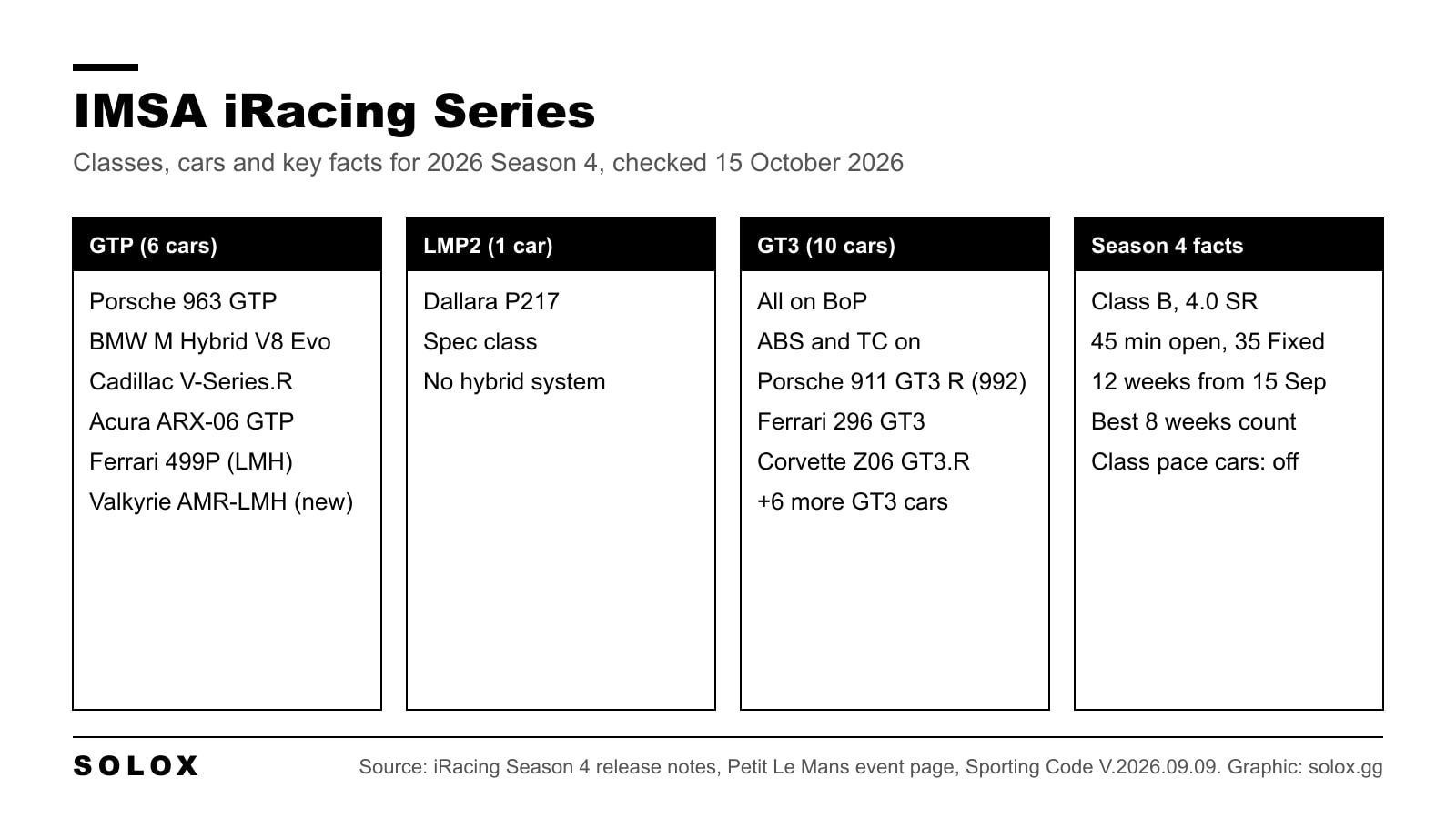
The key numbers for Season 4 2026:
| Item | Season 4 2026 | Source |
|---|---|---|
| Licence | Class B, 4.0 Safety Rating | Series listing (third-party copy) |
| Race length | 45 min open, 35 min Fixed | Series listing (third-party copy) |
| Race frequency | Every 2 hours, at :45 past | Series listing (third-party copy) |
| Season | 12 weeks, from 15 September 2026 | Season 4 release notes |
| Weeks that count | Best 8 of 12 | Sporting Code V.2026.09.09 |
| Eligible cars | 17 (6 GTP, 1 LMP2, 10 GT3) | Petit Le Mans event page, series listing |
One number I could not confirm for Season 4 is the incident limit. In Season 3 it was 25x and you were disqualified on the spot. That rule matters more than people think. In most series you can have a scrappy race and limp home. Here, wall contact plus a couple of unlucky sandwiches in traffic can end your night with zero points. It rewards exactly what real endurance racing rewards: staying out of trouble.
If you're still working up the licence ladder, my guide to raising Safety Rating is the fastest route to B class. And it's worth the climb, week in, week out this series pulls some of the biggest multiclass grids on the service.
The three classes
GTP, now six prototypes
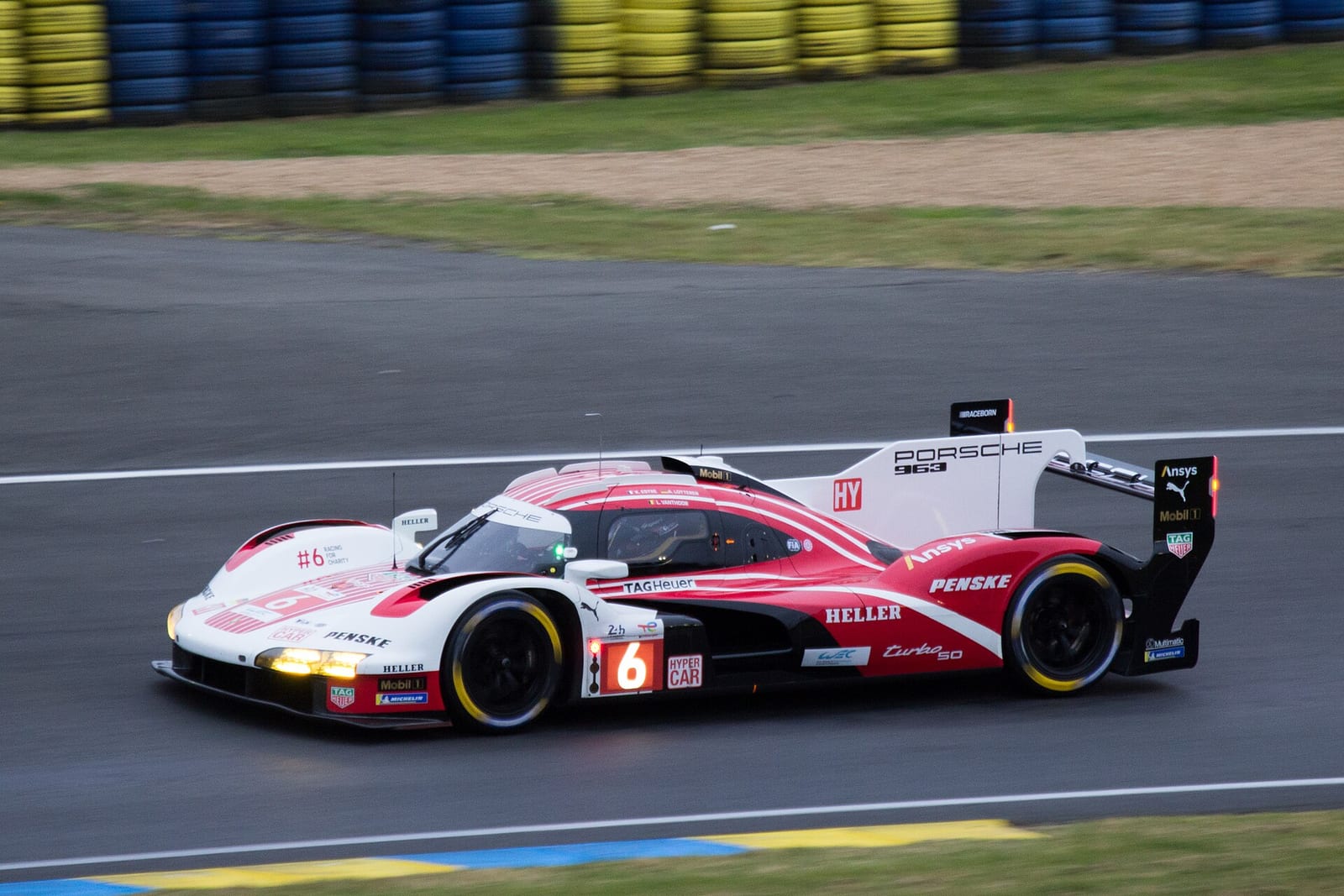
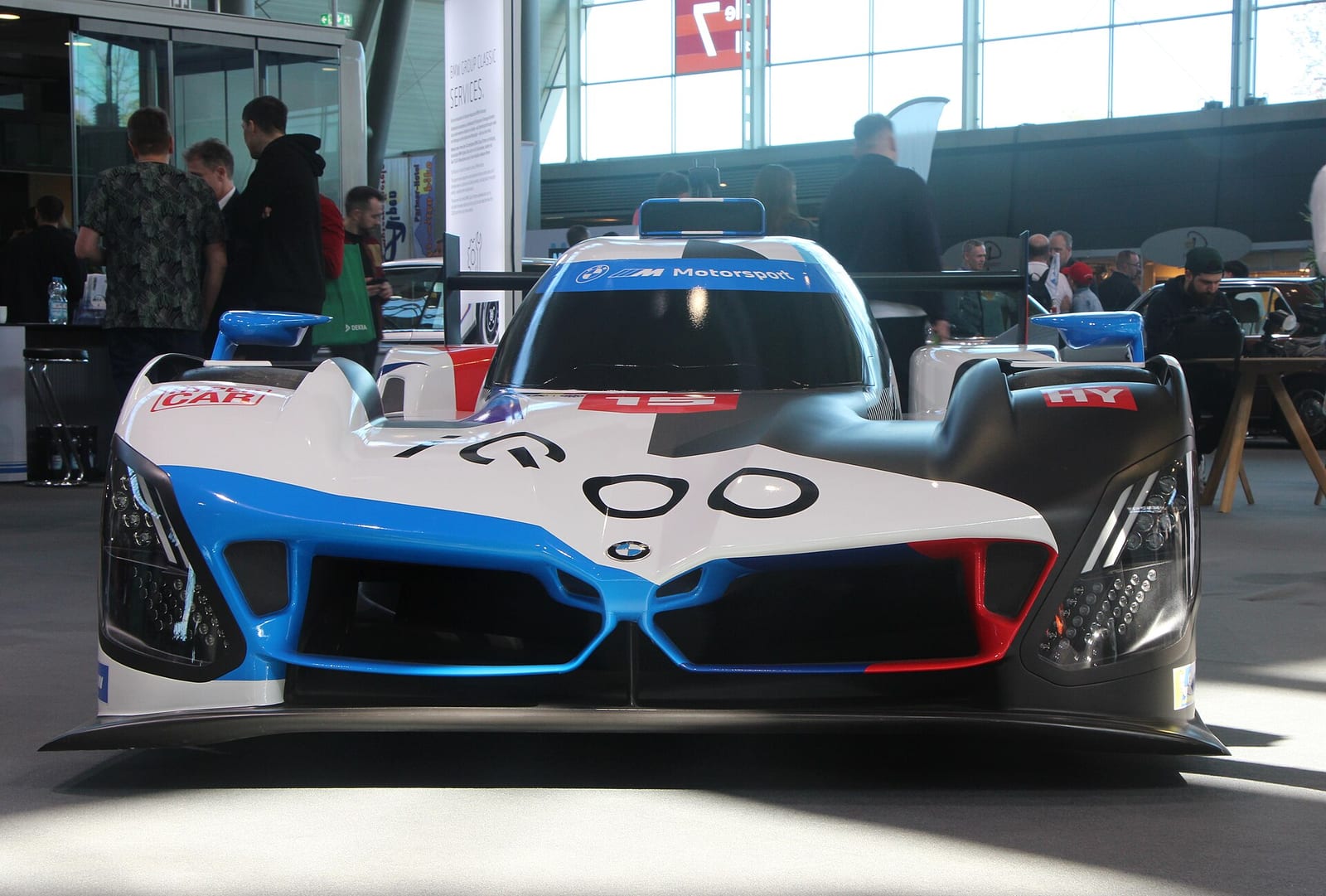
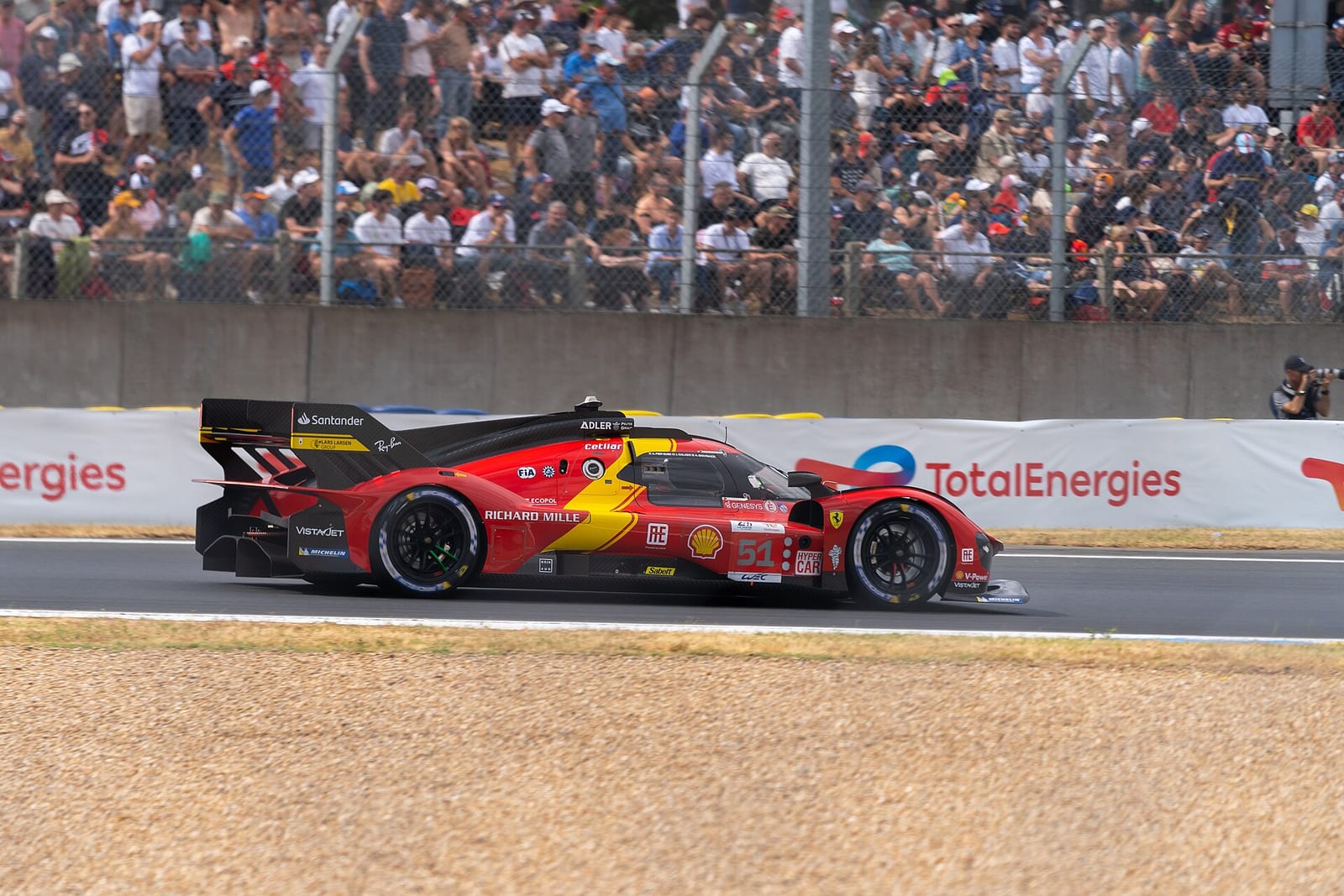
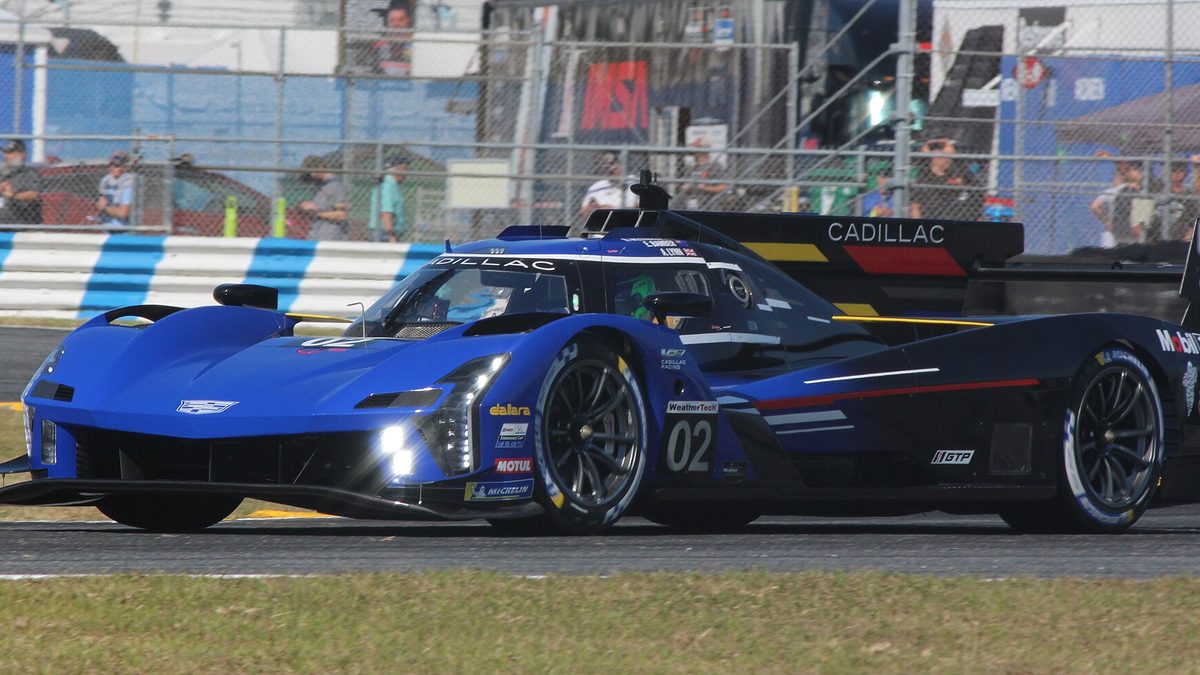
The headline class: Porsche 963 GTP, BMW M Hybrid V8 Evo, Cadillac V-Series.R GTP, Acura ARX-06 GTP, Ferrari 499P and, new for Season 4, the Aston Martin Valkyrie AMR-LMH. The Porsche, BMW, Cadillac and Acura are LMDh cars. The Ferrari and the Aston are LMH cars, balanced to match. They're the fastest closed-wheel cars in the sim, huge downforce, and a cockpit workload that punishes lazy management.
Two Season 4 changes touch this class directly. iRacing adjusted the Balance of Performance of the Acura ARX-06 in the initial release, without publishing the numbers. And Patch 1 fixed the pit limiter warning on the Porsche 963 so the dash stops flashing.
In GTP you are always in traffic. You'll lap the entire GT3 field, often twice. If you've never driven one, I ranked the class in my best iRacing GTP cars post, start there before spending money.
The Aston Martin Valkyrie AMR-LMH
The Valkyrie arrived with the Season 4 build on 9 September 2026. Here is what iRacing has published, and nothing more:
- Class: iRacing listed it in the GTP/HY class for its Petit Le Mans special event in September 2026, alongside the other five GTP cars.
- Series: the Season 4 car list for the IMSA iRacing Series (open and Fixed) includes it. That list comes from the third-party copy of the schedule data, because iRacing's own PDF is behind the forum login.
- Engine: a 6.5 litre naturally aspirated V12, 670 hp, and no hybrid system. So unlike the other five, there is no hybrid deployment to manage.
- Rain and AI: it ships with dry and wet tyres and works in AI racing.
- Patch 1: iRacing adjusted the cockpit camera angle and the pit limiter warning on the dash.
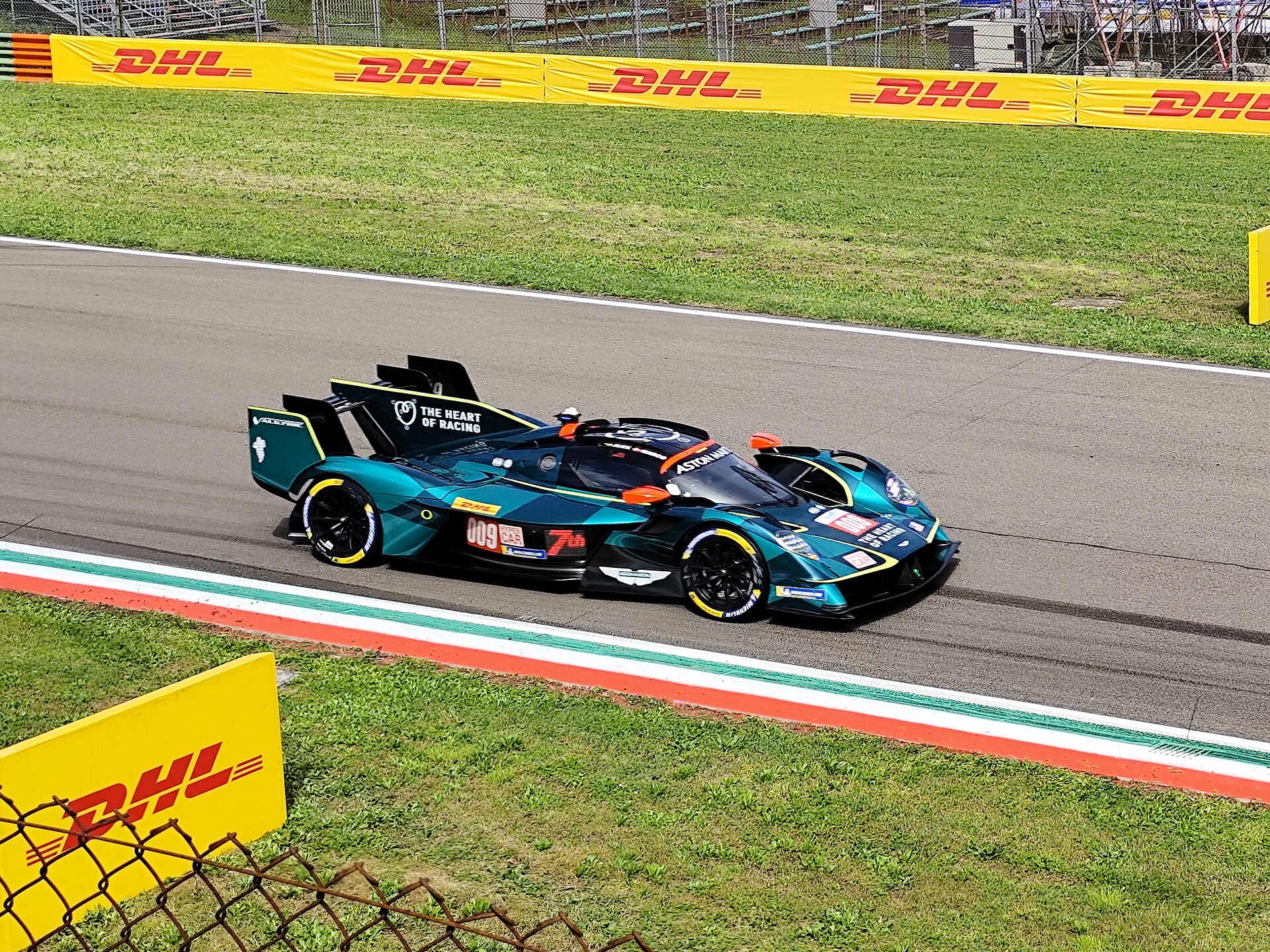
iRacing has not published BoP figures for it. The full car breakdown is in my iRacing Valkyrie AMR-LMH guide.
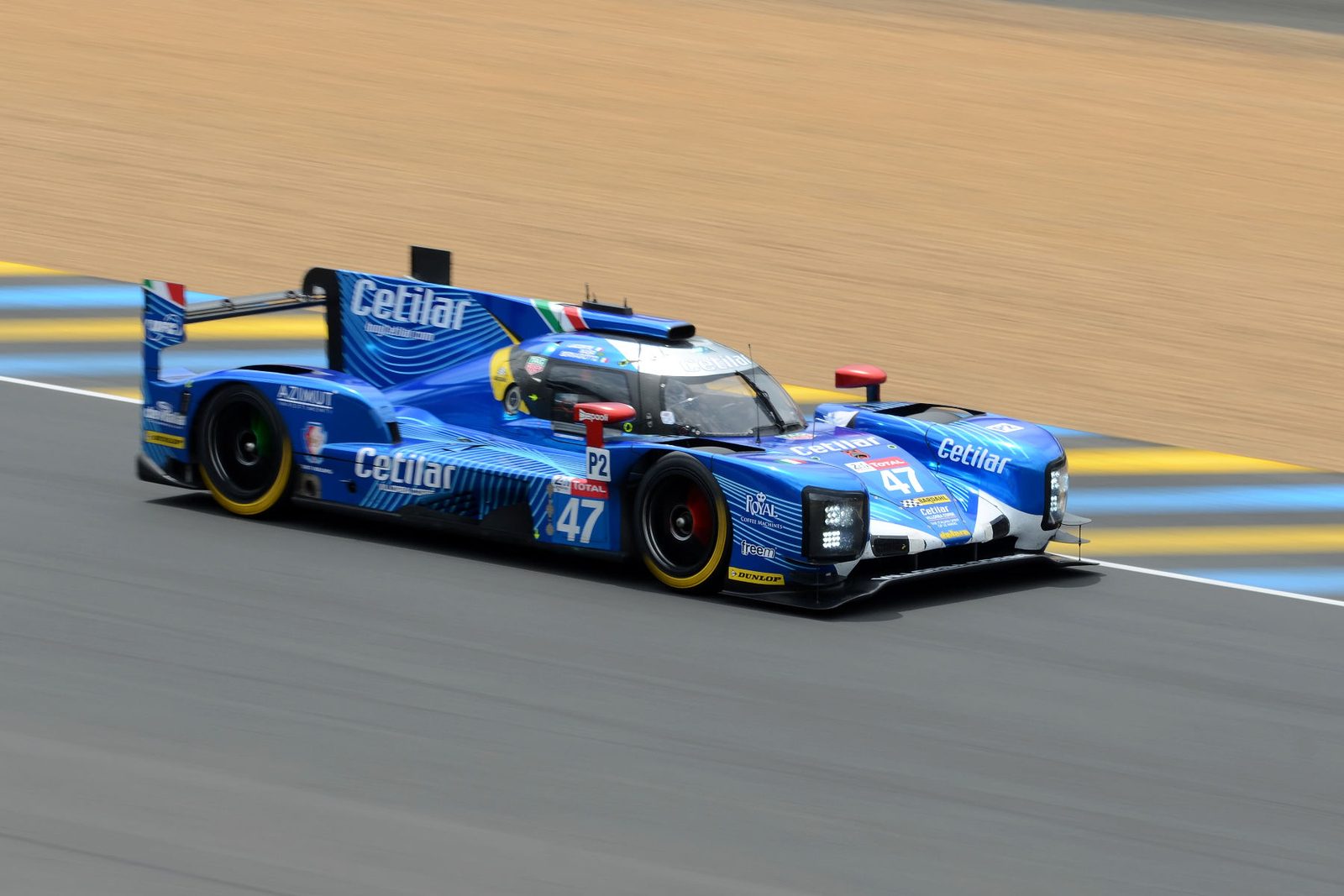
LMP2, the Dallara P217
One car, one spec class. No hybrid system to manage, less weight, less downforce than GTP. It's the purest race car of the three classes and, honestly, the best classroom in the series: fast enough to catch GT3 traffic constantly, slow enough that GTPs hunt you down. You learn both sides of the mirror in one stint.
GT3, ten cars, full BoP field
The GT3 class (GTD in real IMSA) runs ten cars: Mercedes-AMG GT3 2020, McLaren 720S GT3 EVO, Ferrari 296 GT3, Aston Martin Vantage GT3 EVO, Acura NSX GT3 EVO 22, BMW M4 GT3 EVO, Lamborghini Huracán GT3 EVO, Chevrolet Corvette Z06 GT3.R, Porsche 911 GT3 R (992) and Ford Mustang GT3. All BoP'd, all running ABS and traction control.
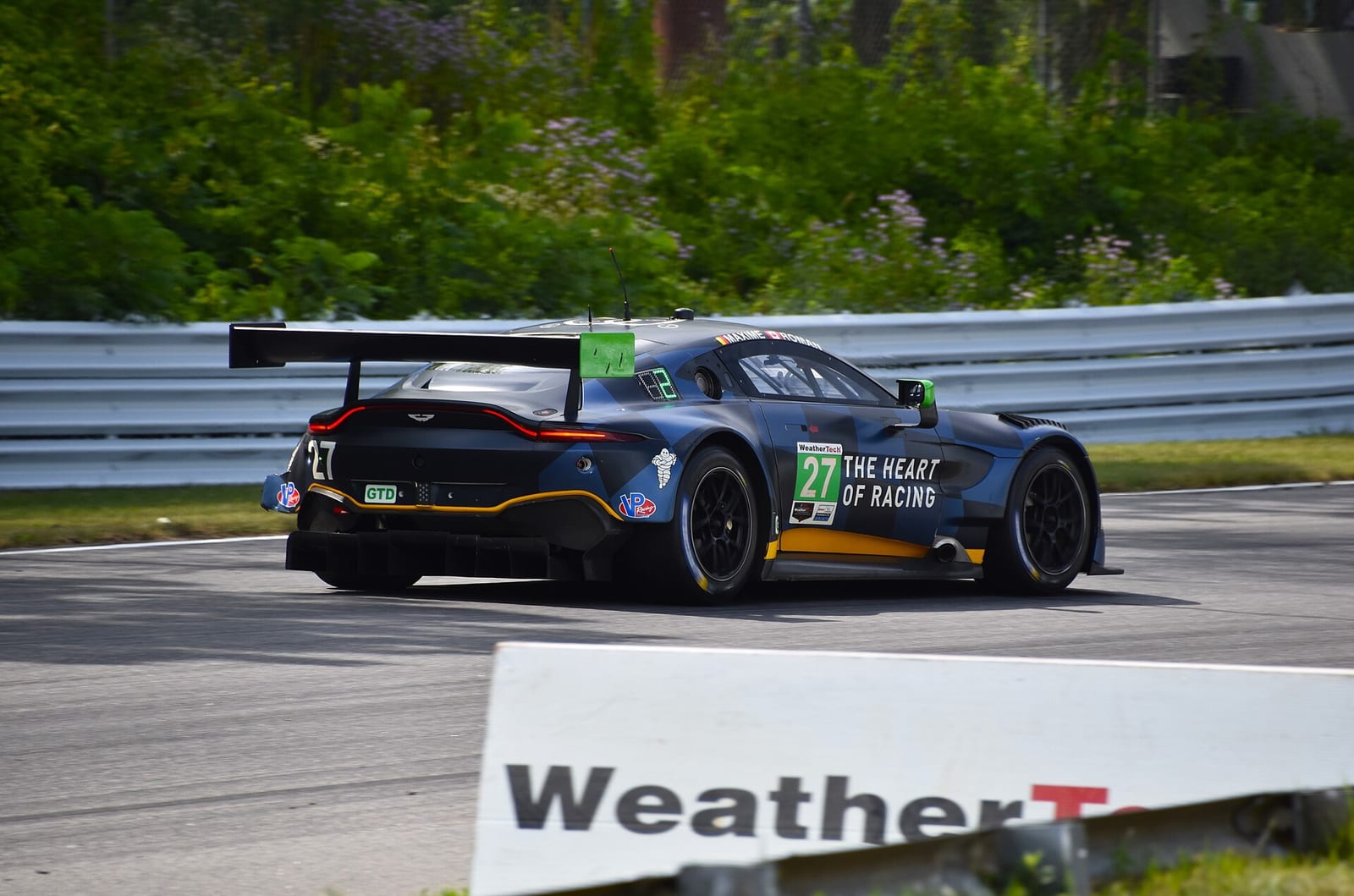
This is where I'd start if you're new to the series. Season 4 brought another BoP pass to the class (the Acura NSX GT3 EVO 22, for example, lost fuel efficiency) and updated iRacing's GT3 setups, and Patch 1 changed the BMW M4 GT3 shift lights. Old setups are baselines now, not gospel. My iRacing GT3 setups hub and the wider setup archive are exactly that: starting points to build from. Not sure which car? Here's my take on the best iRacing GT3 cars.
The Season 4 2026 schedule
Season 4 started on 15 September 2026 and runs 12 weeks. As I write this we're in week 5 at Long Beach. Both the open and the Fixed series run the same track each week:
| Week | Starts | Track |
|---|---|---|
| 1 | 15 Sep | Indianapolis Motor Speedway, Road Course |
| 2 | 22 Sep | Road Atlanta, Full Course |
| 3 | 29 Sep | Fuji International Speedway, Grand Prix |
| 4 | 6 Oct | Red Bull Ring, Grand Prix |
| 5 | 13 Oct | Long Beach Street Circuit |
| 6 | 20 Oct | Circuit Gilles Villeneuve |
| 7 | 27 Oct | Circuit des 24 Heures du Mans |
| 8 | 3 Nov | Autódromo Hermanos Rodríguez, Grand Prix |
| 9 | 10 Nov | Suzuka, Grand Prix |
| 10 | 17 Nov | Silverstone, Grand Prix |
| 11 | 24 Nov | Sebring, International |
| 12 | 1 Dec | Monza, Grand Prix |
Source: the third-party copy of iRacing's Season 4 data, not the official PDF. Road Atlanta in week 2 is the new-look version: iRacing gave it a major artwork update in the Season 4 build.
Long Beach in week 5 is the one to think about. A street circuit with three classes is a different exam from Le Mans, walls everywhere and nowhere to let a GTP by. Le Mans in week 7 is the opposite, long straights where the closing speeds are huge.
Open vs Fixed
The series runs as a pair, same B 4.0 licence for both:
- IMSA iRacing Series (open): 45-minute races, full garage access. If you enjoy setup work, this is the version, and tech inspection will police whatever you build.
- IMSA iRacing Series: Fixed: 35-minute races on iRacing's setups, with in-car tweaks essentially limited to brake bias and your cockpit controls. Zero garage homework.
The two versions don't always share a layout, so check the week's combo before buying a track. In Season 4 the listing shows the same tracks in both. I've broken down how the two formats differ across the whole service in my fixed vs open setup series guide: the short version is that fixed racing is a better measure of your driving than most people want to admit.
The start: per-class pace cars are not live yet
iRacing's Season 4 release notes named this series as the first to get multiclass starts with a pace car for each class, pending a test in the Week 13 iTested series. The Sporting Code V.2026.09.09 describes how those starts work.
But the Patch 1 notes of 5 October 2026 say Start Zones for road courses and multiple pace car starts "remain disabled" while iRacing tests fixes internally. No return date has been published. So as of today you get the classic single pace car start. How the grid forms up and what gets you a penalty is all in my iRacing multiclass start procedure guide.
Strategy: the pit stop decides more than the start
Races start rolling after a short lone qualifying session, and the format is built around a mandatory pit stop. That stop is where midfield finishes turn into podiums.
Season 4 changed the pit stop itself. Cars now have rule sets. Under the default set, tyres are changed after fuelling is done. Under the IMSA rule set, fuel and tyres go on at the same time. For GT3, iRacing now always uses 2 wheel guns: any pair of tyres costs 10 seconds and all four cost 20 seconds. iRacing's notes do not say which rule set the IMSA iRacing Series uses, so watch the pit stop timings in your first test session before you plan anything.
The tyres generally live longer than the fuel window, which opens the classic sports car playbook:
- Fuel-save from lap one. Every litre you don't burn is time saved at the stop. Short-shifting and lifting 50 metres early costs tenths per lap and wins seconds in the pits.
- Question every tyre change. If tyres go on after fuel, every pair you take is time lost. Two on the loaded side is often the right call, a full set rarely pays back in 45 minutes. If fuel and tyres happen together, the maths changes, which is why you check the timings first.
- Pit into clean air. An empty pit lane is the easy part. In multiclass, rejoining ahead of a GTP train you were about to meet is worth more than a perfect in-lap.
I've written more on the decision-making side in how to make pit decisions in iRacing, and if you're chasing pace before the stop even matters, start with tyre pressures.
Traffic is the real skill
Every quick driver in this series can hotlap. The ones who win are the ones who lose nothing in traffic. What I learned doing this for real:
- Slower class: be boring. Hold your line, stay on the racing line, lift nothing. The GTP behind you has planned his pass around your predictability. The worst thing you can do is "help" by darting offline.
- Faster class: pass on your terms. Plan the overtake a corner early, use straights, and never arrive at an apex side-by-side with a GT3 who hasn't seen you. If the gap needs their cooperation, it isn't a gap.
- Use the relative black box constantly. Class colours tell you what's coming long before your mirrors do.
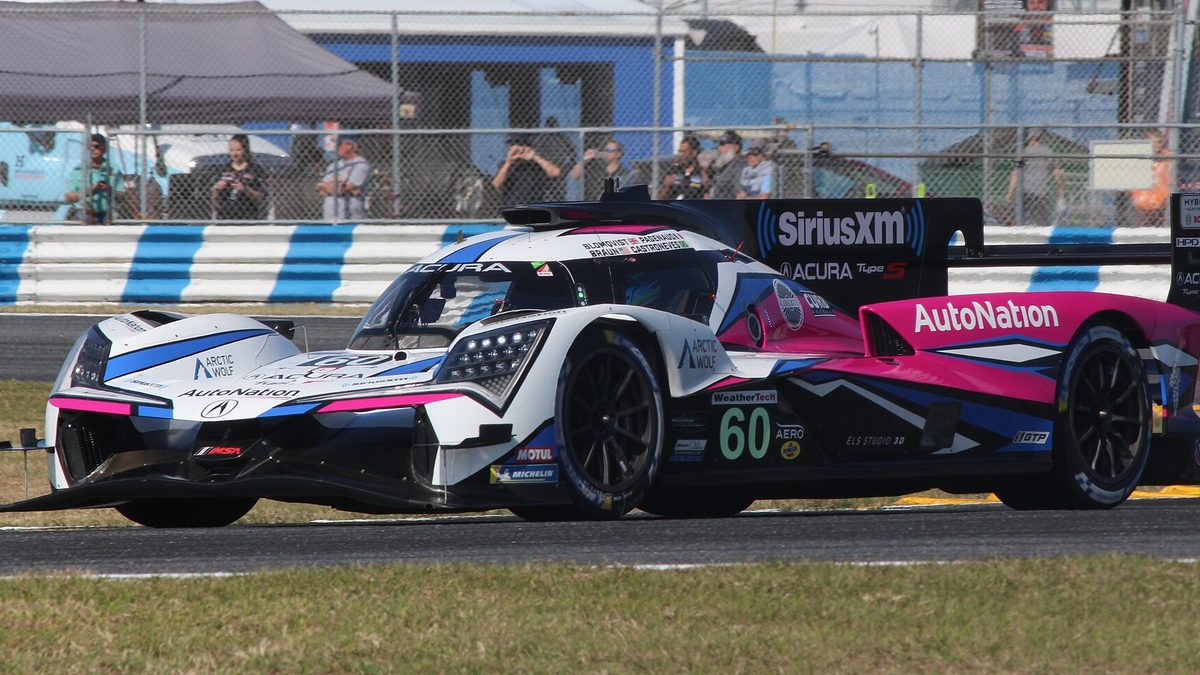
The etiquette is identical to what I wrote in my ACC multiclass racing guide: different sim, same physics of patience.
What it costs
Nearly every car and track on the IMSA schedule is paid content, and the Valkyrie is a new paid car. I'm not quoting prices here because I could not check them against the iRacing store today. The good news is the drop weeks: only your best 8 weeks out of 12 count, so most people buy 8 to 10 tracks and skip the rest. Full membership maths is in my iRacing subscription cost breakdown.
FAQ
What licence do I need for the IMSA iRacing Series?
Class B with a 4.0 Safety Rating or better, for both the open and Fixed versions in Season 4 2026.
How long are IMSA iRacing Series races?
45 minutes in the open-setup series and 35 minutes in the Fixed series, with sessions every 2 hours. Both are built around a pit stop.
Is the Aston Martin Valkyrie in the IMSA iRacing Series?
Yes, in GTP. iRacing raced it in the GTP/HY class at its Petit Le Mans event, and the Season 4 car list for the series includes it. It's an LMH car with a V12 and no hybrid. More in my Valkyrie guide.
Does the IMSA iRacing Series use a pace car per class?
Not right now. iRacing planned it for this series first, but the Patch 1 notes of 5 October 2026 say multiple pace car starts remain disabled while fixes are tested.
Which class should a beginner pick?
GT3. The cars have ABS and TC, the class is the slowest on track, and your only traffic job is staying predictable while being lapped. Move to LMP2 once you're comfortable, and treat GTP as a destination. It's a rolling cockpit-management exam.
Do I have to buy all 12 tracks?
No. The Sporting Code counts your best 8 weeks of the 12. Pick the tracks you already own or actually want, and plan purchases around them.
Is there a team or endurance version?
This series is single-driver sprints. iRacing's separate IMSA Endurance Series and special events like Petit Le Mans and the Daytona 24 cover the long-format side, same classes, longer stints, driver swaps.