
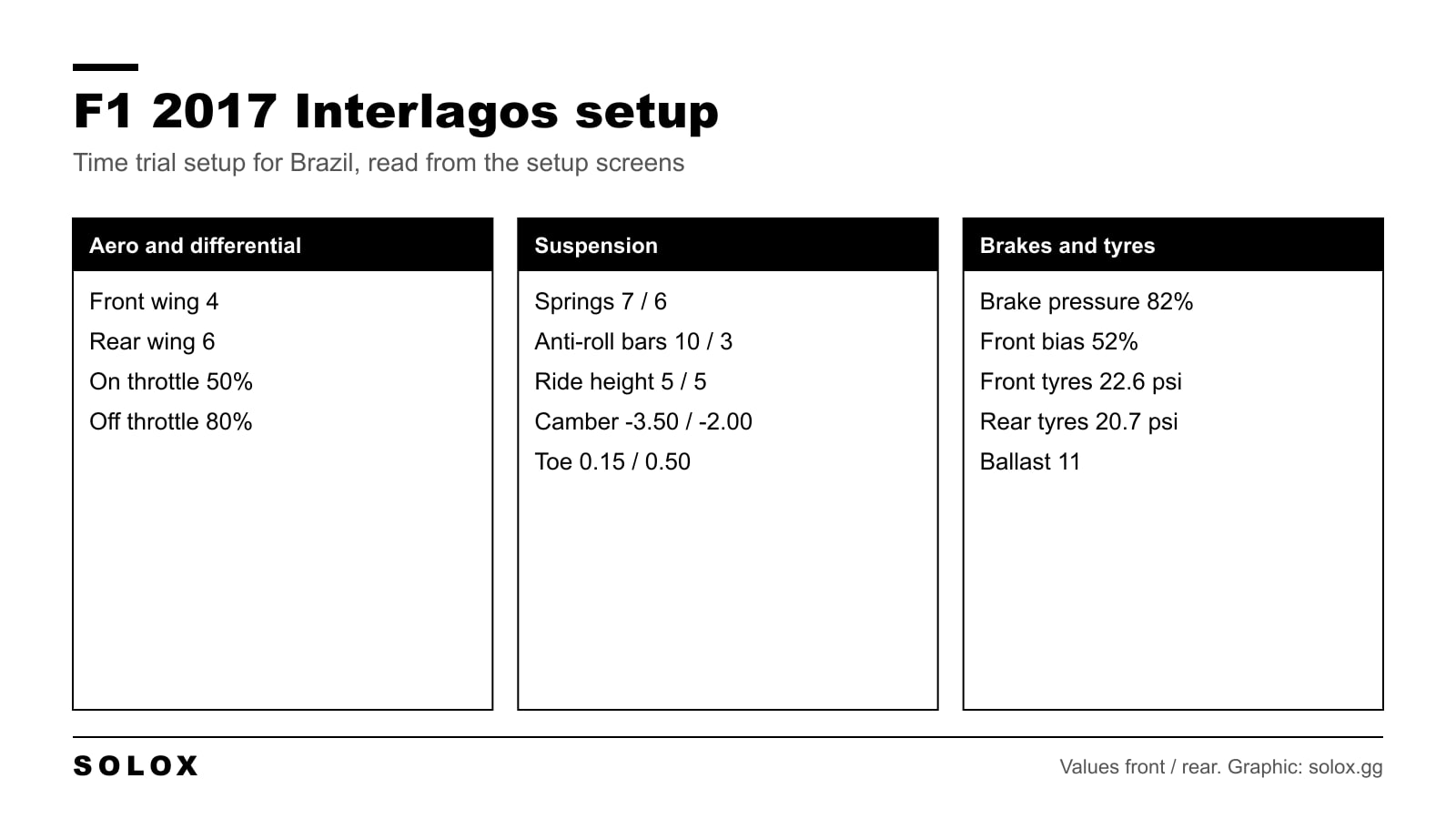
This is the F1 2017 setup for Interlagos on this site: front wing 4, rear wing 6, the differential at 50% on throttle and 80% off, a stiff front anti-roll bar and camber at the limit of the menu. It is a time trial setup. Every value below is read from the setup screens.
One correction first. Until today, the text of this page listed wings at 7 and 11, suspension at 1 and 1, anti-roll bars at 7 and 10 and a differential at 85% and 50%. The screenshots of the setup were always on the page, and they show something very different on almost every line. The screen wins, so the table below follows it, and so does the Interlagos row on the F1 2017 setups page.
F1 2017 Interlagos setup
| Setting | Value |
|---|---|
| Front wing | 4 |
| Rear wing | 6 |
| Differential on throttle | 50% |
| Differential off throttle | 80% |
| Front camber | -3.50 |
| Rear camber | -2.00 |
| Front toe | 0.15 |
| Rear toe | 0.50 |
| Front suspension | 7 |
| Rear suspension | 6 |
| Front anti-roll bar | 10 |
| Rear anti-roll bar | 3 |
| Front ride height | 5 |
| Rear ride height | 5 |
| Brake pressure | 82% |
| Front brake bias | 52% |
| Front tyre pressure | 22.6 psi |
| Rear tyre pressure | 20.7 psi |
| Ballast | 11 |
There is no fuel screen among the screenshots. The page has always said 10 kg, like every other 2017 setup on this site, so treat it as a qualifying setup and add fuel for a race.

Why this setup works at Interlagos
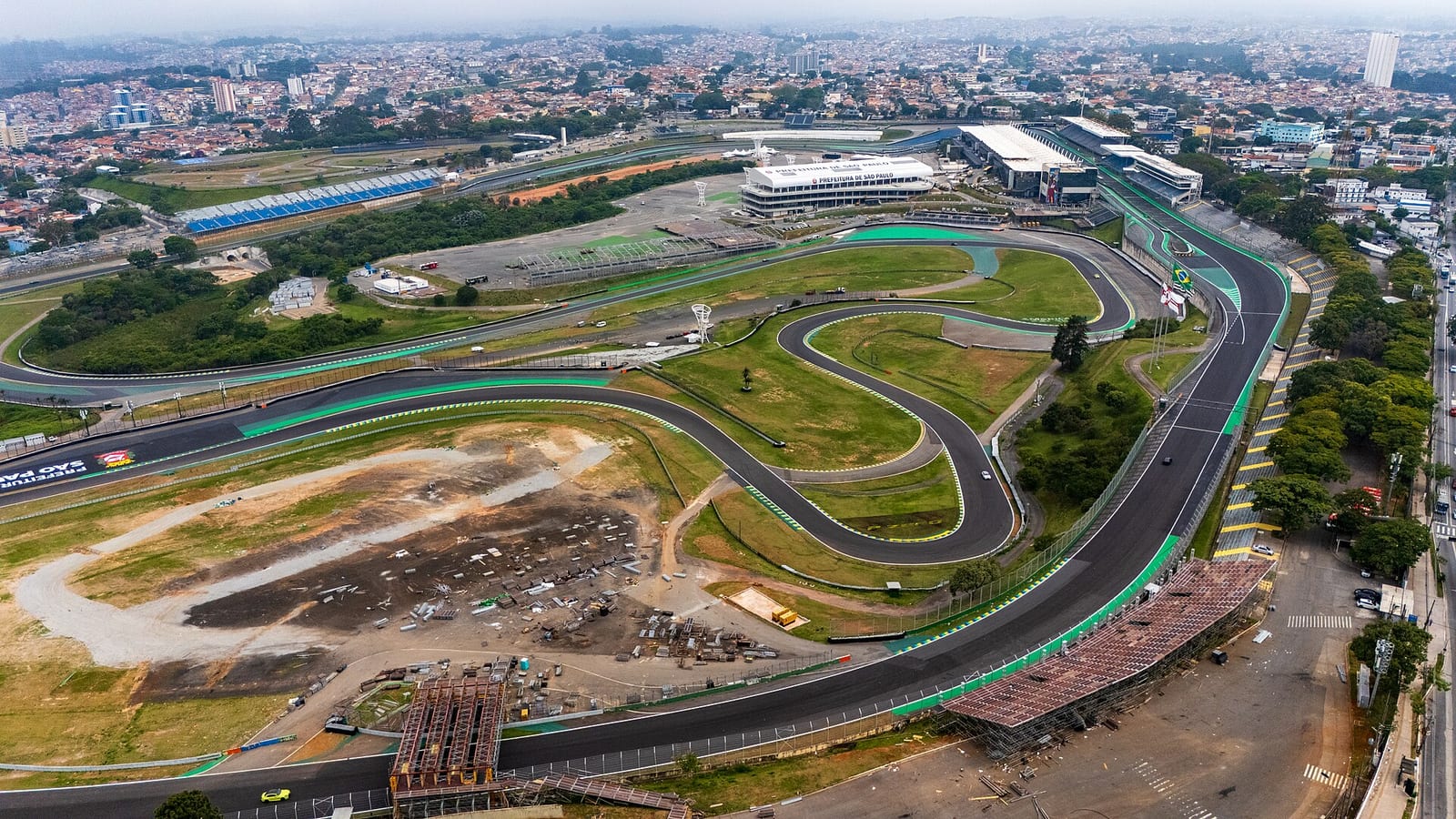
Interlagos is 4.309 km with 15 turns, and it runs anticlockwise. It is short and it goes up and down a lot. The lap is two fast parts joined by a slow, twisty infield: the S do Senna and the Reta Oposta at the start, the infield from Ferradura to Mergulho in the middle, then Juncao and the long climb past the pits to the line.
The wings are 4 at the front and 6 at the rear. That is a lot less than the 7 and 11 this page used to show, and it puts Interlagos in the medium group with Silverstone, Baku and the Red Bull Ring. Two long flat out sections, the Reta Oposta and the climb from Juncao to Turn 1, pay you back for every click of wing you take off. The infield is slow enough that mechanical grip does most of the work there.
Stiff front, soft rear
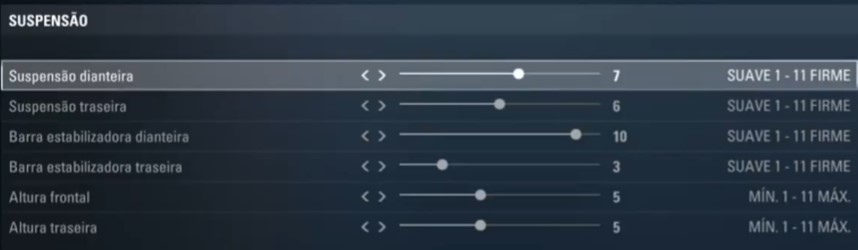
Springs 7 and 6, front anti-roll bar 10 and rear 3, ride height 5 and 5. That is the same suspension as my Baku, Red Bull Ring and Silverstone setups, with each spring one click softer.
A front bar at 10 and a rear bar at 3 makes the front of the car react fast and lets the rear sit down and find traction. At Interlagos that matters out of the slow corners, where the car is on a camber and often climbing. A soft rear bar puts the power down there. The price is a little understeer in the long corners, and that is what the camber is for.
An open differential, maximum geometry
The differential is at 50% on throttle and 80% off. 50% is the lowest value the menu allows, and only my Yas Marina setup runs it as open. 13 of the 20 setups on this site run 100%.
An open on throttle differential lets the inside rear wheel turn slower than the outside one when you accelerate. The car rotates more on exit and spins the inside wheel less. Interlagos is full of exits that matter: Ferradura, Pinheirinho, Bico de Pato and above all Juncao, which leads onto the climb to the line. The 80% off throttle keeps the rear calm on the way in.
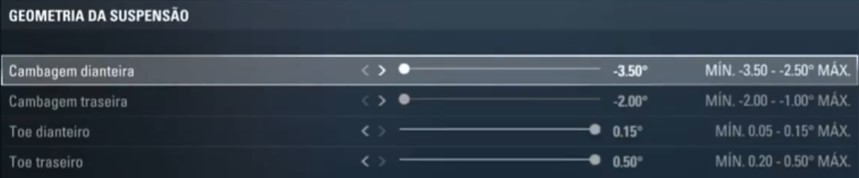
Camber and toe are at the limit of the menu: -3.50 and -2.00, with 0.15 and 0.50, the same as my Suzuka and Barcelona setups. The long left handers at Interlagos (Curva do Sol, Descida do Lago, Mergulho, the climb after Juncao) keep the car on the right side tyres for a long time, and the camber helps them grip.

Brakes, tyres and ballast
Brake pressure is 82% with 52% at the front. The two big stops are Turn 1 at the end of the pit straight and Descida do Lago at the end of the Reta Oposta, and both are downhill. A front bias of 52% keeps the fronts from locking when the car goes light over the crest into the S do Senna.
Tyres run 22.6 psi at the front and 20.7 at the rear, both a little lower than most of my 2017 setups. Ballast is at 11, the rear end of the range, which helps the soft rear find traction.


What to change
One change at a time, three laps, then decide.
| Problem | Change |
|---|---|
| The rear steps out on exit from Juncao | Rear anti-roll bar from 3 to 4 |
| The car pushes wide in Curva do Sol and Mergulho | Front wing from 4 to 5 |
| Too slow on the Reta Oposta | Rear wing from 6 to 5 |
| The rear is nervous into Turn 1 and Descida do Lago | Off throttle differential from 80% to 90% |
| The car is lazy through the infield | On throttle differential from 50% to 60% |
| Front tyres lock into Turn 1 | Brake pressure from 82% to 78% |
For a race. Bring the camber back to about -3.00 and -1.50 and the rear toe to 0.35, to keep the tyres cooler. Add a click of rear wing for the worn tyres at the end of a stint.
On a pad. Raise the on throttle differential to 70%. A 50% differential needs a precise right foot, and a trigger is harder to meter out of the slow corners.
Where the lap time is at Interlagos
The S do Senna. A downhill left, then a right. Brake straight over the crest and give up a little in the first part to get the right hander right, because it opens onto Curva do Sol and the Reta Oposta.
Descida do Lago. The end of the back straight, downhill into a left. The second big stop of the lap. Do not turn in with the brake on hard.
Ferradura to Pinheirinho. The infield. Ferradura is a long fast right, then the track tightens. This is where the soft rear and the open differential earn their place.
Bico de Pato and Mergulho. A tight right, then a fast left downhill. Get Bico de Pato right and Mergulho is easy.
Juncao and the climb. The most important corner on the lap. It leads onto a flat out climb past the pits to the line and into Turn 1, so every km/h you carry out of it you keep for a long time. Early apex costs you. Wait for it and get the power down straight.
Brazil in 2017
Valtteri Bottas took pole for the 2017 Brazilian Grand Prix with a 1:08.322, and Sebastian Vettel won the race on 12 November, over 71 laps. Bottas finished second, 2.762 seconds behind, and Kimi Raikkonen third. Max Verstappen set the fastest lap, a 1:11.044 on lap 64.
Lewis Hamilton crashed in the first part of qualifying, started from the pit lane after engine and gearbox changes and still came home fourth, 5.468 seconds behind the winner.
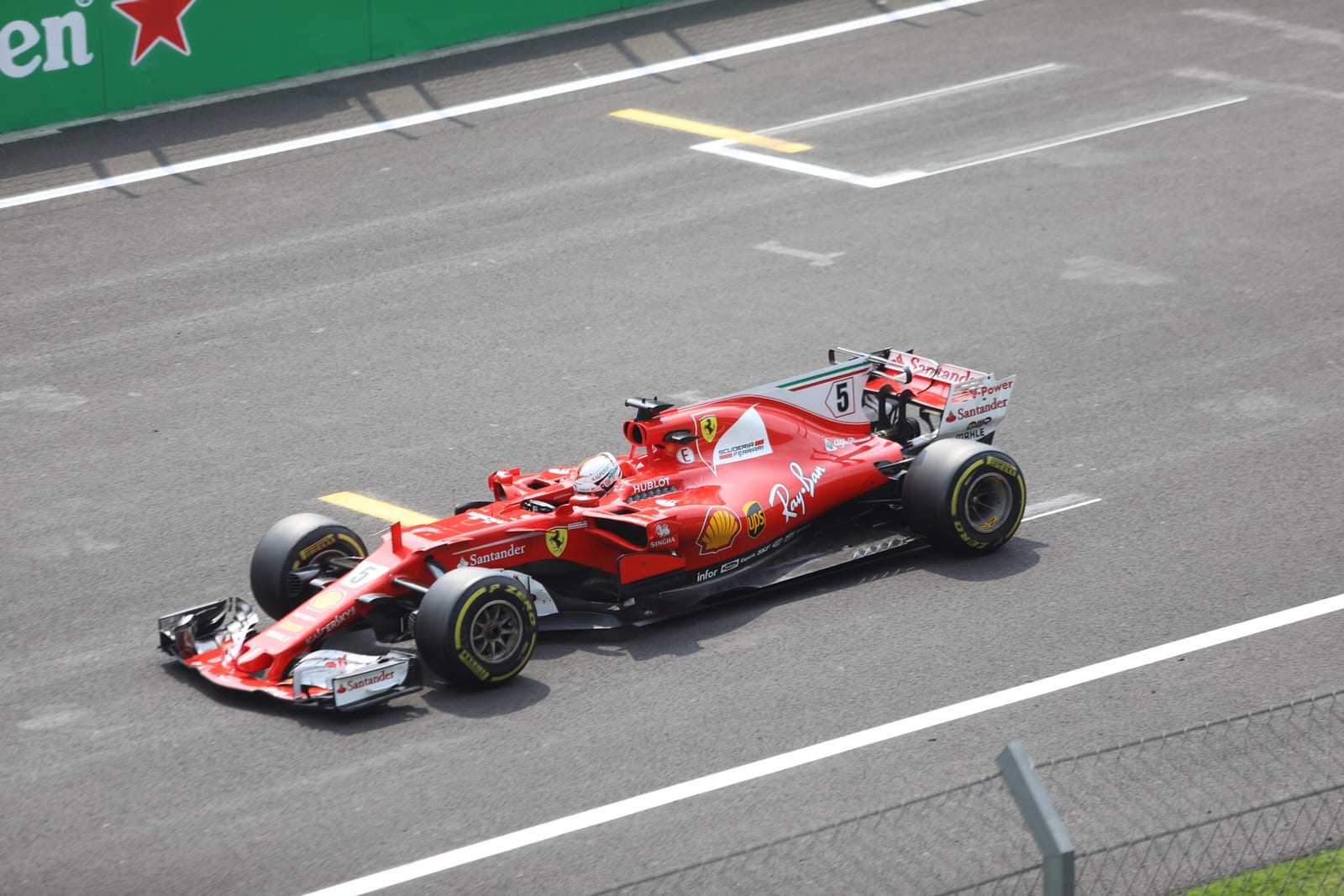
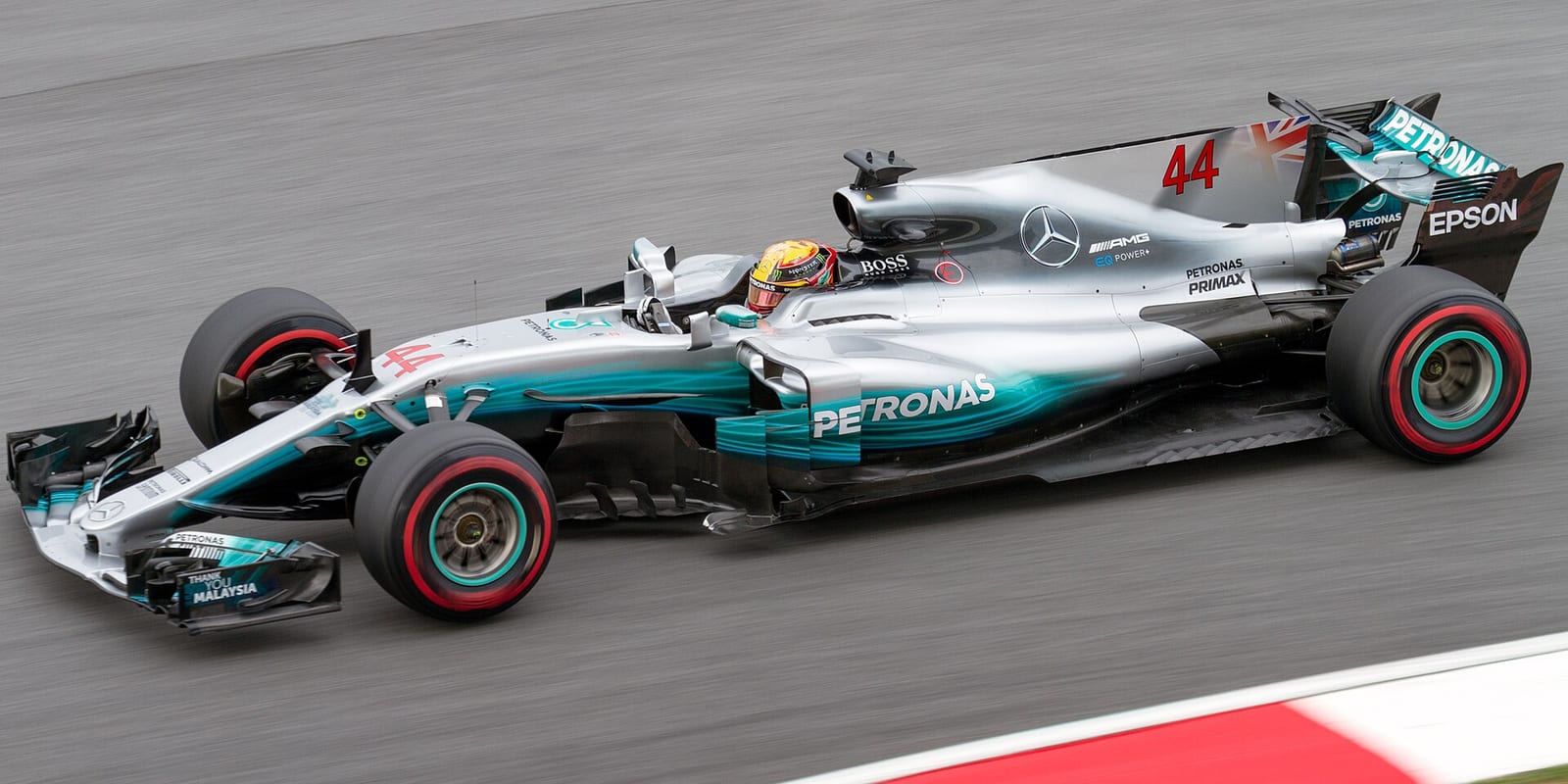
More F1 2017 setups
Interlagos comes after Mexico on the 2017 calendar and before Abu Dhabi. The closest setups to this one are Silverstone for the wings and suspension and Suzuka for the geometry. All 20 tracks are in one table on the F1 2017 setups page.
FAQ
What is the best F1 2017 setup for Interlagos?
Front wing 4, rear wing 6, differential 50% on throttle and 80% off, camber -3.50 and -2.00, toe 0.15 and 0.50, springs 7 and 6, anti-roll bars 10 and 3, ride height 5 and 5, brake pressure 82% with 52% front bias, tyres at 22.6 and 20.7 psi and ballast 11.
What wing levels should I run at Interlagos in F1 2017?
4 at the front and 6 at the rear. Interlagos has two long flat out sections, so a medium wing is faster over a lap than a high one.
Why did the values on this page change?
The old text did not match the setup screenshots on the same page. The screenshots were always there, and the values now follow them.
Can I use this Interlagos setup in a race?
Yes, with changes. Add fuel, bring the camber back to about -3.00 and -1.50 and add a click of rear wing.
Does this setup work with a controller?
It does. Raise the on throttle differential to 70% so the car is easier to manage with a trigger.
Is Interlagos clockwise or anticlockwise?
Anticlockwise. Most of the long corners are left handers, which is why the right side tyres work hardest.